

A competitive backlink gap analysis is the strategic process of systematically discovering every backlink that your top-ranking competitors have earned but your website has not. In the algorithmic reality of modern search, backlinks remain the single most influential off-page ranking factor. Google's PageRank algorithm, despite decades of evolution, still fundamentally evaluates a website's authority by the quantity, quality, and contextual relevance of its inbound link profile. By reverse-engineering the link acquisition strategies of the domains that currently occupy the positions you want, you eliminate the guesswork from link building and build a data-driven outreach pipeline targeting only proven, high-authority link sources. This comprehensive guide walks you through the complete competitive backlink gap analysis workflow — from selecting the right competitors and extracting raw link data, to qualifying prospect domains, crafting personalized outreach, and measuring campaign ROI.
Why Backlink Gap Analysis Matters in 2026:
Google's March 2024 Core Update and subsequent Link Spam Update dramatically raised the bar for link quality. Generic directory submissions and blog comment spam no longer move the needle. The only sustainable path to ranking improvement is earning editorially placed backlinks from topically relevant, high-authority domains — and the fastest way to identify those domains is by analyzing which publications already link to your competitors but not to you.
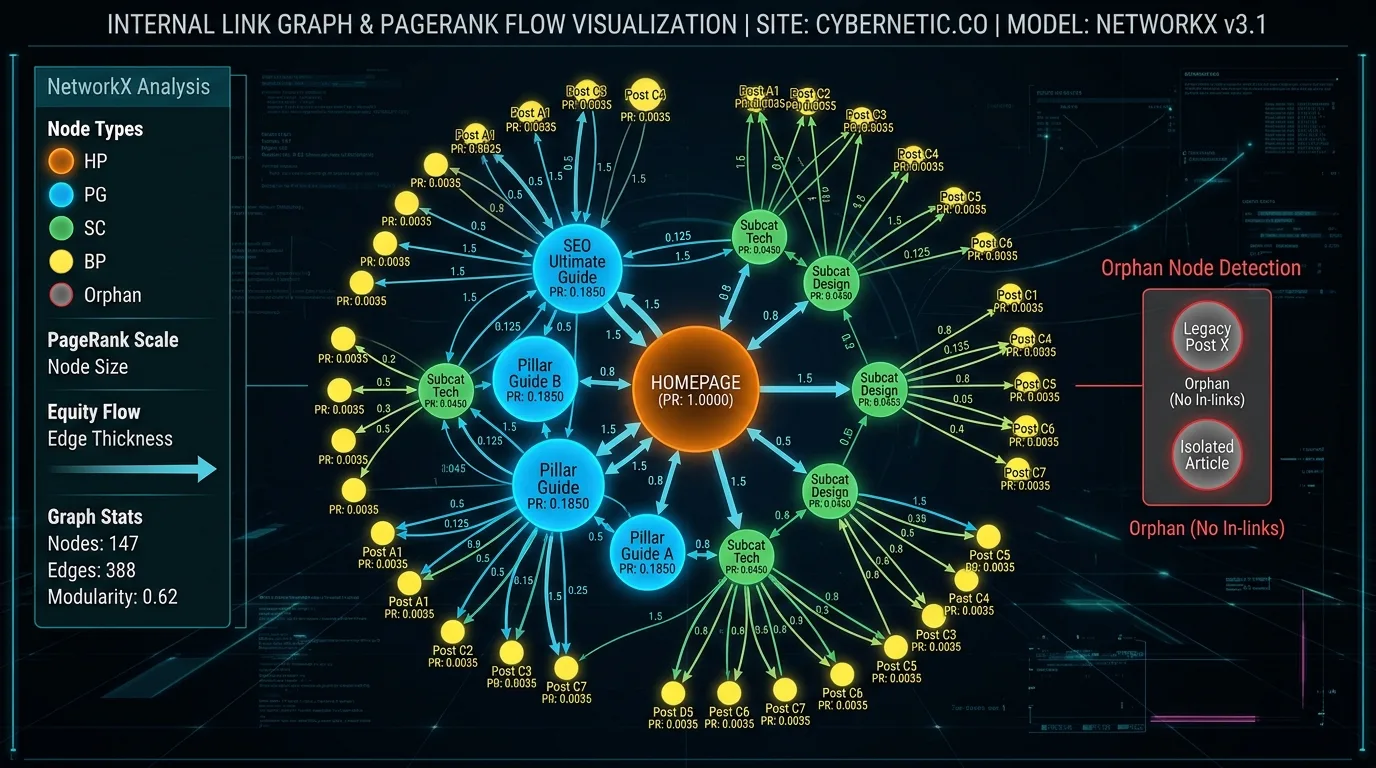
Figure 1: Competitive Link Graph — Visualizing Referring Domain Overlap and Exclusive Link Gaps Across Top 5 SERP Competitors.
Chapter 1: The Strategic Foundation of Competitive Backlink Analysis
Before opening any SEO tool, you must establish a clear strategic framework. Backlink gap analysis is not about blindly replicating every link your competitors have — many of those links may be low-quality, irrelevant, or even toxic. The goal is to identify high-value link opportunities where trusted, topically relevant publications have demonstrated a willingness to link to content similar to yours but have not yet discovered your website.
This process begins with understanding the relationship between backlink authority and organic ranking performance. Dozens of correlation studies by Ahrefs, Moz, and SEMrush consistently show that the number of referring domains pointing to a page is the strongest single predictor of first-page ranking. However, raw volume is insufficient — Google's algorithms evaluate link quality through signals including the linking domain's topical relevance, its own authority profile, the editorial context of the link placement, and the semantic diversity of anchor text distributions.
Setting Clear Campaign Objectives
Every backlink gap campaign should define measurable targets before starting outreach. Common objectives include:
- Close the Referring Domain Gap: If your top-3 competitors average 450 referring domains and you have 180, the quantitative goal is to acquire 100+ new referring domains within 6 months.
- Increase Domain Rating (DR/DA): Moving from DR 35 to DR 55 typically requires 200-400 quality referring domains from DR 50+ websites.
- Target Specific SERP Positions: Identify the exact pages where you rank #4-#10 and analyze the backlink profiles of the pages ranking #1-#3 to calculate the precise link equity deficit.

Chapter 2: Selecting the Right Competitors for Analysis
The most critical decision in backlink gap analysis is competitor selection. Many SEOs make the mistake of analyzing their direct business competitors rather than their SERP competitors — the websites that actually rank for the keywords they want to capture.
Your business competitor may be a Fortune 500 company with a DR 90 domain that would provide unrealistic link targets. Your SERP competitors, on the other hand, are the specific pages occupying positions 1-10 for your target keywords, regardless of company size. These are the domains whose link profiles most directly represent the authority threshold Google requires for ranking in your specific keyword vertical.
The 3-Layer Competitor Identification Method
A robust competitor selection process uses three overlapping data layers to ensure comprehensive coverage:
| Layer | Method | Data Source | What It Reveals |
|---|---|---|---|
| SERP Overlap | Identify domains ranking for your top 50 target keywords | Ahrefs Competing Domains, SEMrush Organic Competitors | Direct keyword-level competitors who occupy positions you want |
| Topical Authority | Find domains with the highest topical overlap in your niche | Ahrefs Content Explorer, Google "related:" operator | Thematic competitors who share your topical cluster authority |
| Link Profile Similarity | Identify domains with similar referring domain profiles | Majestic Trust Flow Topics, Ahrefs Link Intersect | Domains acquiring links from the same industry ecosystem |
Select 4 to 6 competitors that consistently appear across all three layers. Avoid including more than 6 competitors as it creates excessive noise in the gap analysis data and makes prioritization difficult. If a competitor's DR exceeds yours by more than 40 points, consider excluding them — their link profile reflects enterprise-level brand authority that cannot be replicated through content-driven outreach alone.
Chapter 3: Extracting and Processing Raw Backlink Data
With competitors selected, the next step is extracting their complete backlink profiles from enterprise-grade SEO tools. The three primary platforms for comprehensive backlink data are Ahrefs (largest live link index at 35+ trillion known links), SEMrush (integrated with keyword and traffic analytics), and Moz (pioneer of Domain Authority scoring).
Step-by-Step Data Extraction
- Export Referring Domains: For each competitor, export the complete referring domains list (not individual backlinks). Referring domain analysis is more strategically valuable because a single domain can contain hundreds of individual links, but what matters for gap analysis is whether the domain links to your competitors at all.
- Standardize Domain Metrics: Ensure all exports include Domain Rating (DR), referring domain traffic, link type (dofollow/nofollow/ugc), first seen date, and primary anchor text. Normalize these fields across tools to enable cross-comparison.
- Run the Link Intersect Query: Use Ahrefs' Link Intersect tool (or equivalent) to identify domains that link to 2+ of your competitors but NOT to you. These are your highest-priority gap opportunities — publications that have already demonstrated topical relevance and editorial willingness to link to content in your niche.
Critical Data Quality Warning:
No single backlink tool captures 100% of the web's link graph. Ahrefs, SEMrush, and Moz each have different crawler coverage rates. For mission-critical gap analyses, cross-reference data from at least two tools to maximize coverage. Links that appear in multiple tool indexes are more likely to be active, crawlable, and algorithmically impactful.
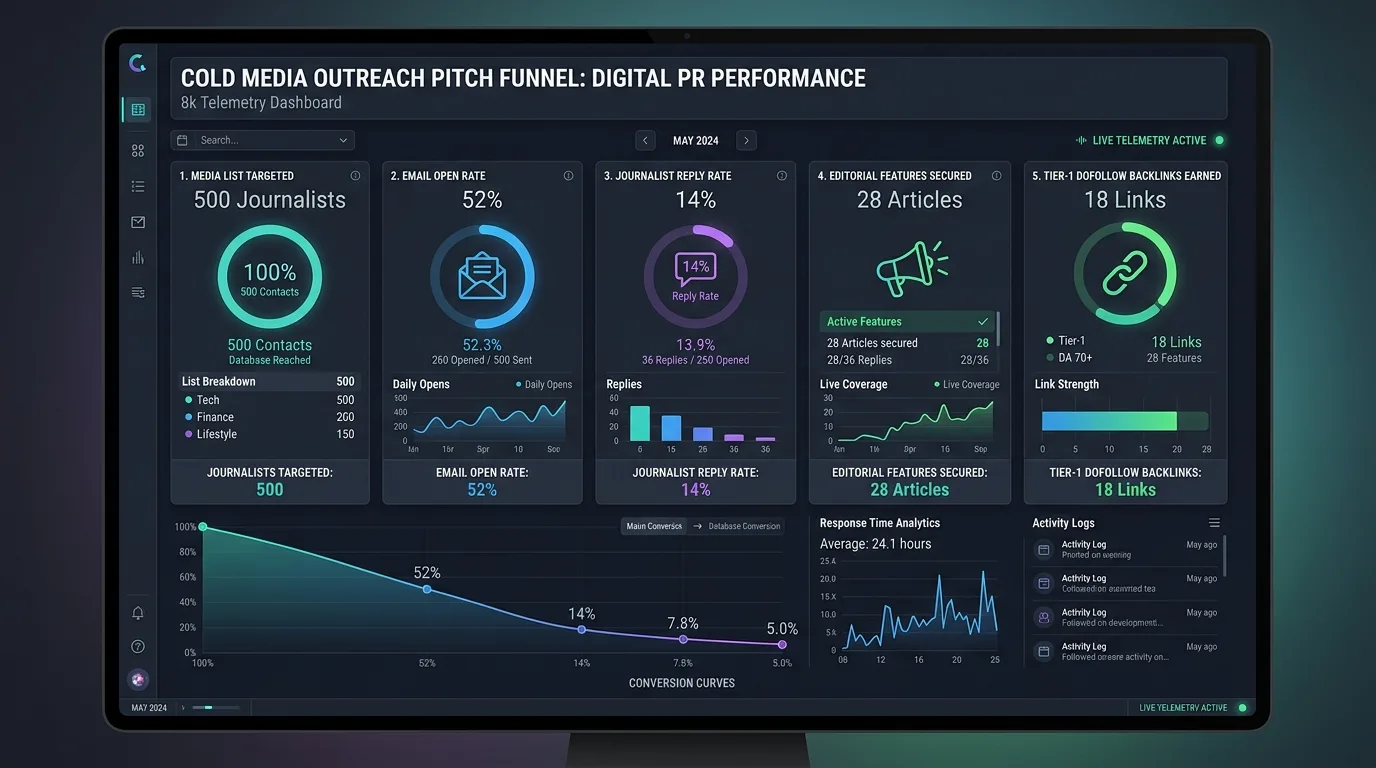
Figure 2: Backlink Outreach Pipeline — From Raw Link Intersect Data Through Qualification, Personalized Pitch, and Conversion Tracking.
Chapter 4: Qualifying and Prioritizing Link Prospects
Raw gap data typically returns hundreds or thousands of referring domains. Blindly emailing all of them wastes time and damages your sender reputation. Effective qualification separates the genuinely valuable link targets from low-quality noise.
The 5-Point Link Prospect Scoring Framework
Assign each prospect domain a score from 0-100 based on five weighted criteria. This framework ensures you focus outreach efforts on the prospects most likely to deliver meaningful SEO impact:
| Scoring Criterion | Weight | High Score Indicators | Disqualifying Red Flags |
|---|---|---|---|
| Domain Authority (DR/DA) | 25% | DR 40+ with organic traffic > 5,000/month | DR < 15, no organic traffic, PBN footprint |
| Topical Relevance | 30% | Covers your exact industry vertical consistently | Generic link farm, casino/pharma content, unrelated niche |
| Editorial Standards | 20% | Original content, named authors, active comment section | Obvious guest post farms, paid link disclaimers, no editorial oversight |
| Link Placement Context | 15% | In-content editorial links within relevant paragraphs | Footer blogrolls, sidebar widgets, sitewide template links |
| Outreach Accessibility | 10% | Clear contact info, accepts contributions, responsive to pitches | No contact page, enterprise PR gatekeepers, paywalled submissions |
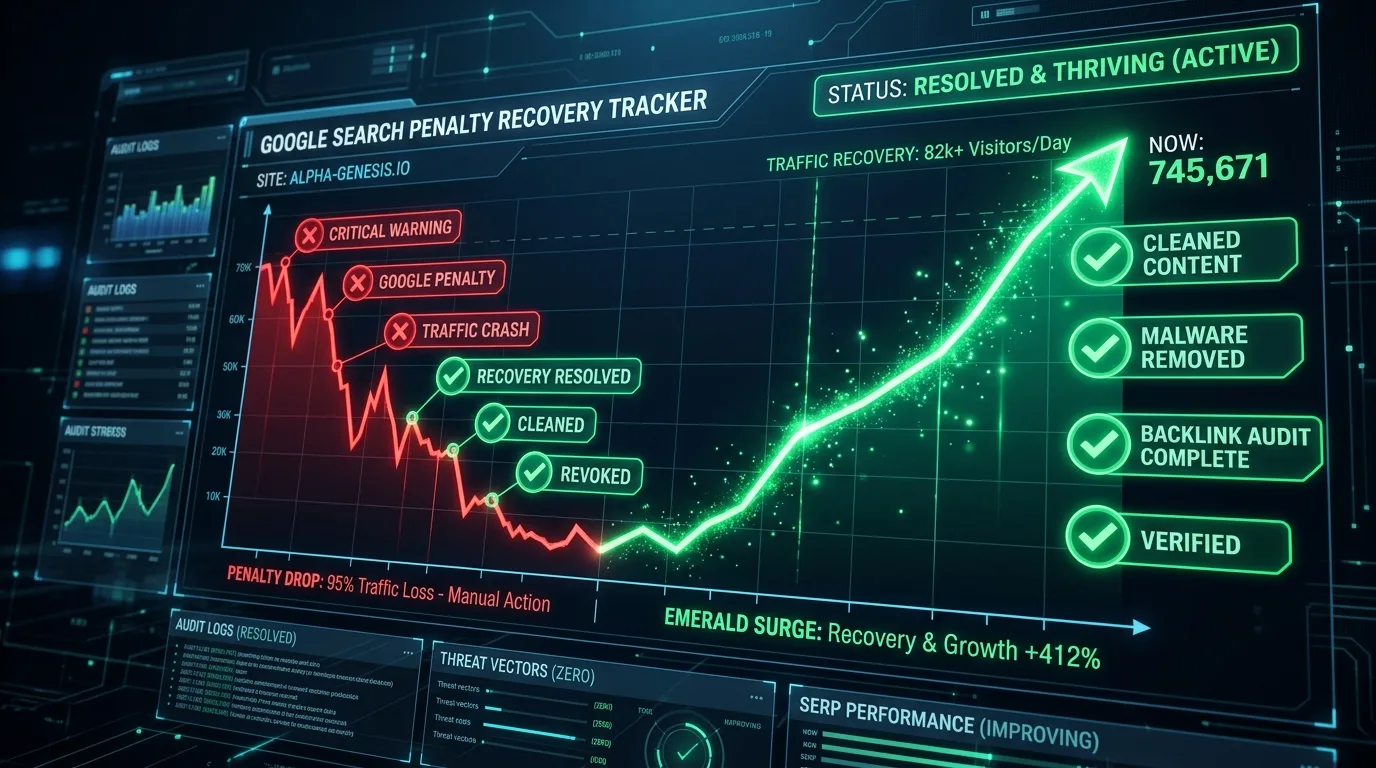
Focus your outreach resources on prospects scoring 60+ on this framework. Domains scoring below 40 should be permanently excluded from your pipeline to protect your domain from toxic link associations that could trigger a Google penalty.
Chapter 5: Analyzing Competitor Content That Earns Links
Understanding why competitors earn links is more valuable than simply knowing where they earn them. By analyzing the content assets on competitor domains that accumulate the most backlinks, you reverse-engineer the content formats and topics that your target audience finds worthy of citation.
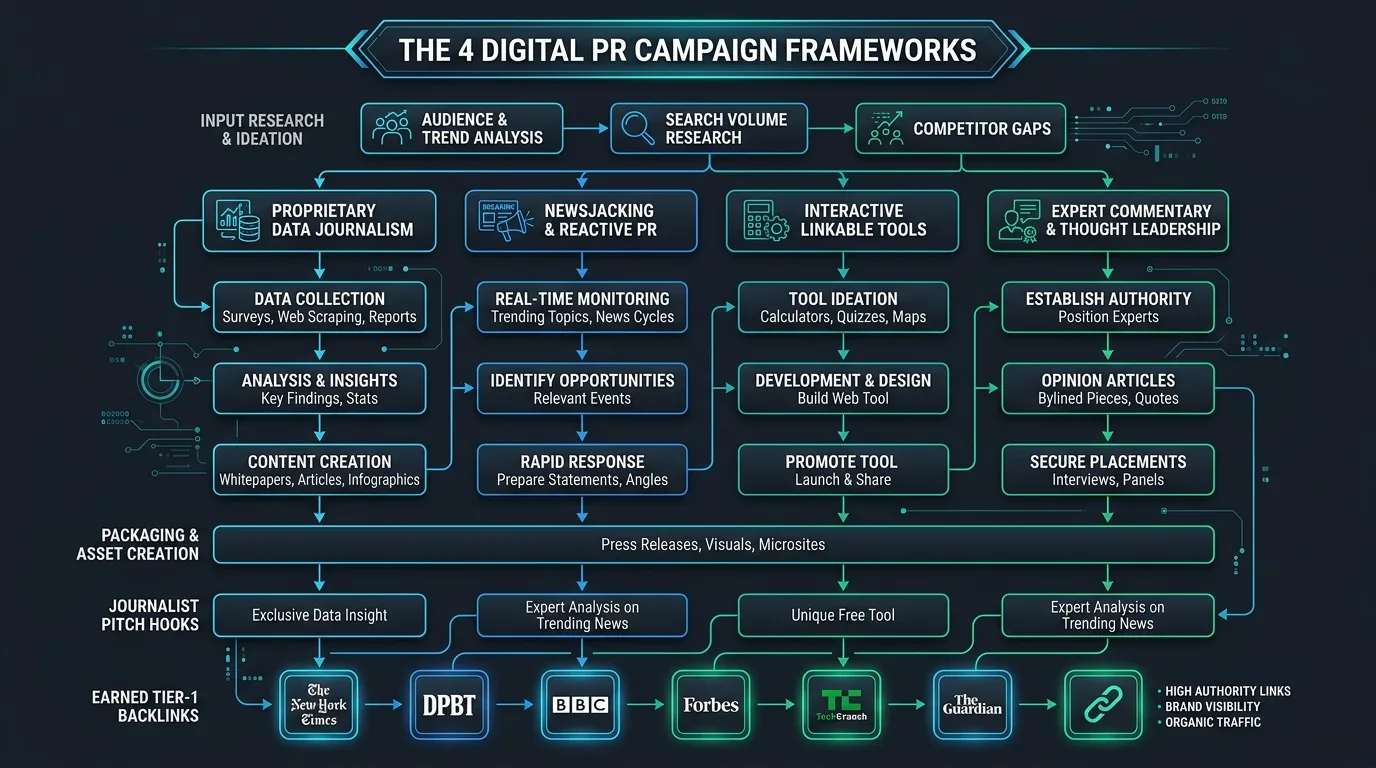
Figure 3: Link-Worthy Content Framework — Mapping Content Formats to Link Acquisition Velocity and Referring Domain Diversity.
The Top Link-Earning Content Archetypes
Across industries, certain content formats consistently attract disproportionate link attention. When you discover that a competitor's "2026 Industry Benchmark Report" has earned 340 referring domains, you know that creating a superior benchmark study in the same vertical represents a proven link acquisition opportunity.
- Original Research and Data Studies: Content containing proprietary survey data, original statistical analysis, or exclusive industry benchmarks earns 4x to 10x more backlinks than opinion-based editorial content. Journalists, bloggers, and academics need citable data sources, and original research fills that need.
- Interactive Tools and Calculators: Free online calculators (ROI calculators, comparison tools, audit generators) earn persistent passive backlinks because they provide ongoing utility that static articles cannot match.
- Comprehensive Visual Guides: Content featuring original infographics, architectural diagrams, and flowcharts gets cited in blog posts and tutorials when authors need visual explanations for complex concepts.
- Expert Roundups and Interview Series: Content featuring quotes from recognized industry authorities earns backlinks through contributor amplification — each quoted expert naturally shares and links to the published piece.
The 10x Content Principle:
When you identify a competitor's top linked asset, do not create a similar piece. Create one that is demonstrably 10 times better — more comprehensive data, superior visual design, deeper analysis, and fresher statistics. The "Skyscraper Technique" only works when the new asset is so undeniably superior that webmasters feel compelled to update their existing links.
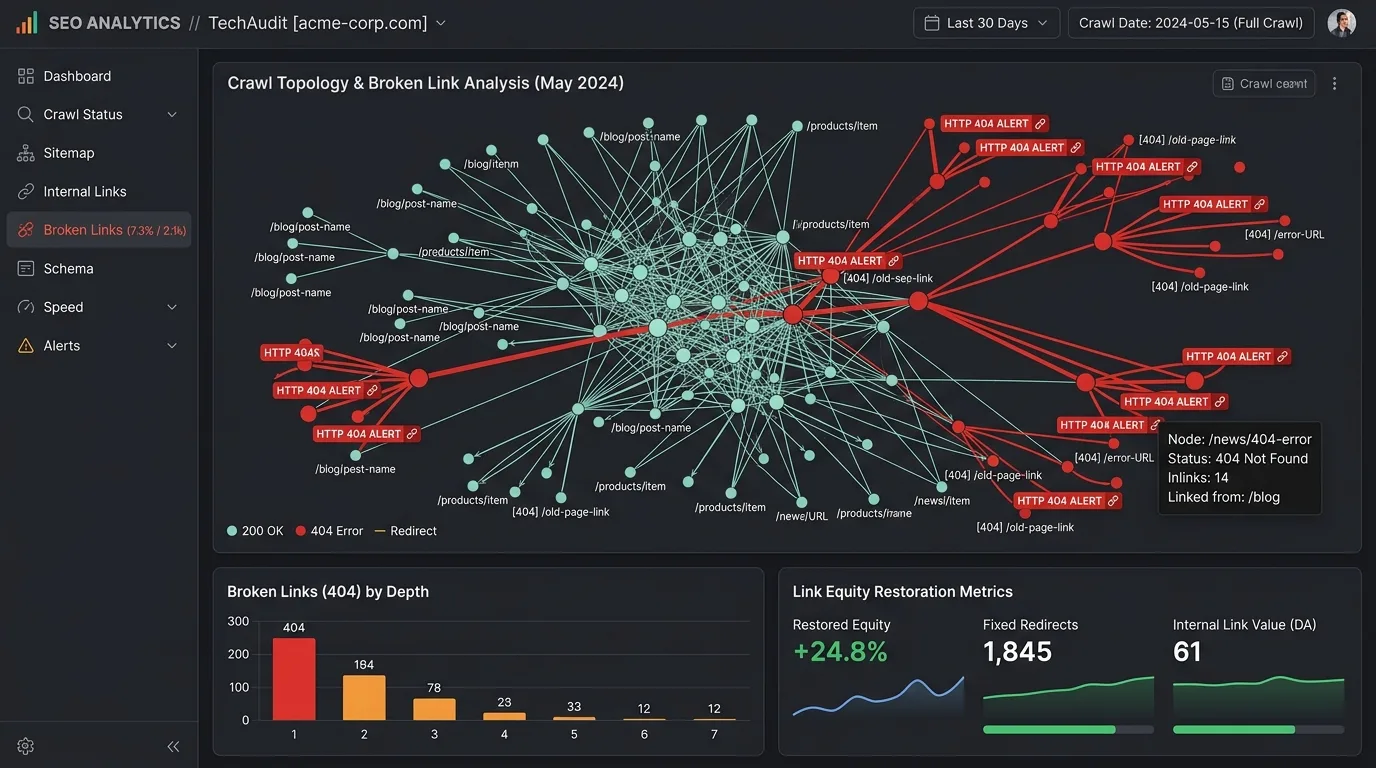
A particularly powerful variant of gap analysis involves combining it with broken link discovery. When exporting competitor backlink profiles, filter for referring pages that return HTTP 404 or 410 status codes. These represent dead pages on competitor sites that still have active inbound links pointing to them. By creating superior replacement content on your own domain and contacting the linking webmasters with a ready-made replacement URL, you simultaneously close the backlink gap AND rescue orphaned link equity that your competitor has permanently lost. This "broken backlink reclamation" technique consistently achieves 15-25% success rates — significantly higher than cold outreach — because you are solving a real problem (fixing a broken link) rather than asking for an unprompted favor.
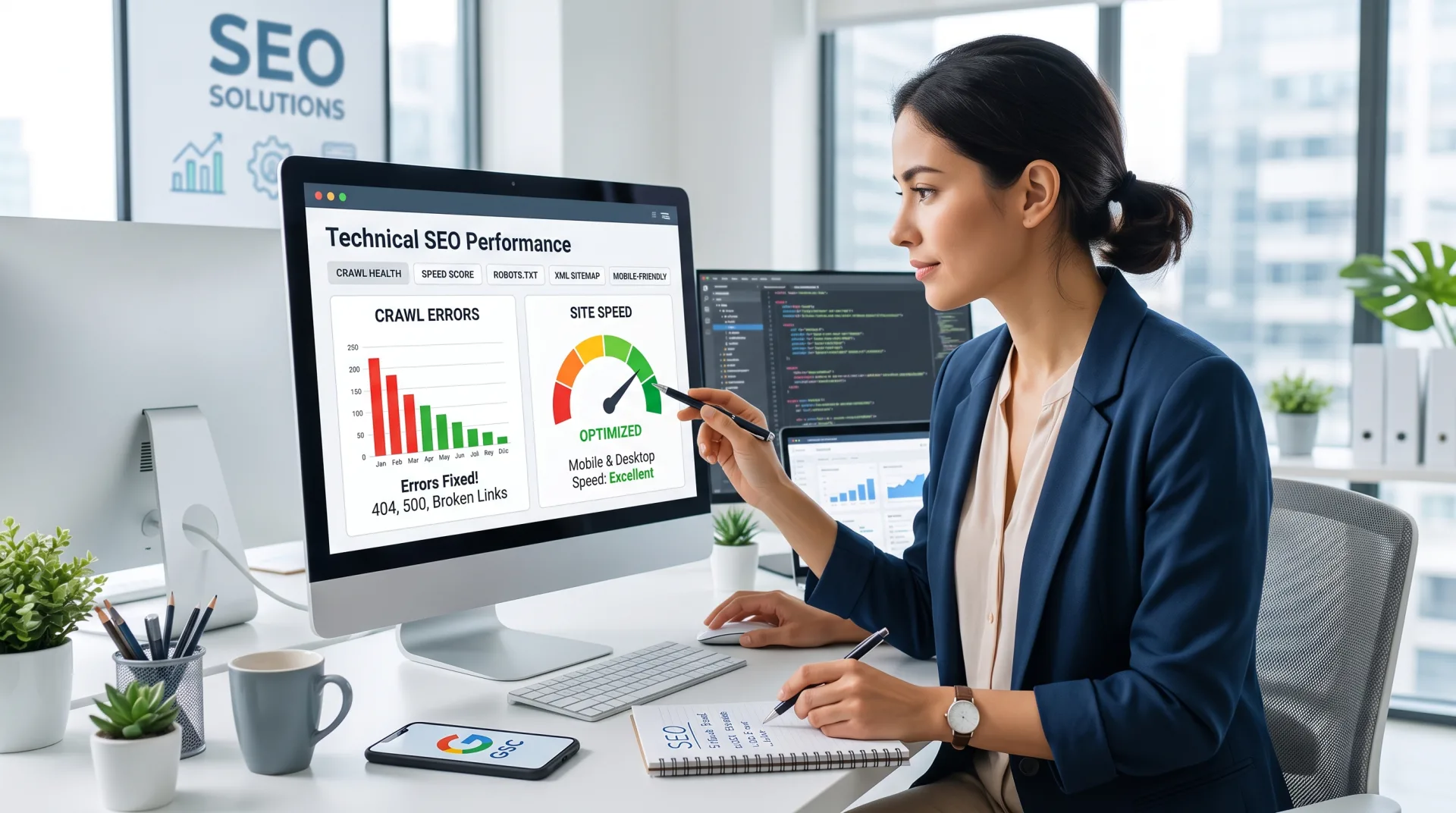
Additionally, analyzing the technical SEO health of competitor domains can reveal structural weaknesses in their link profiles. If a competitor recently migrated domains, restructured their URL architecture, or allowed SSL certificates to lapse, their earned backlinks may be pointing to redirect chains or broken endpoints. These degraded links represent immediate acquisition opportunities where your fresh, properly configured content can capture the link equity that competitors are inadvertently wasting through poor technical maintenance.
Chapter 6: Building Personalized Outreach Campaigns
The outreach phase is where most backlink gap campaigns fail. Generic mass emails with subject lines like "Link Exchange Opportunity" achieve response rates below 2%. Effective outreach requires genuine personalization that demonstrates you have actually read the prospect's content and understand how your resource adds value to their existing article.
The 4-Layer Personalization Framework
- Layer 1 — Contextual Reference: Reference a specific article on their site where your competitor's link appears. Explain exactly which paragraph contains the link and why your resource is a superior or complementary citation.
- Layer 2 — Value Proposition: Clearly articulate what your content offers that the currently linked competitor resource does not — newer data, additional case studies, more comprehensive coverage, or a unique methodological approach.
- Layer 3 — Social Proof: Mention other authoritative publications that have already linked to your resource, establishing credibility without appearing desperate.
- Layer 4 — Friction Removal: Provide the exact anchor text and URL they could use, making the process of adding your link as effortless as possible.
When crafting outreach emails, your on-page SEO fundamentals must be impeccable on the linked landing page. No editor will link to a page with broken images, poor mobile responsiveness, or thin content. Ensure your target page satisfies every quality criterion in Google's SEO audit checklist before launching outreach.
Chapter 7: Anchor Text Strategy and Link Diversity
One of the most overlooked aspects of backlink gap analysis is anchor text distribution. When analyzing competitor link profiles, pay close attention to the ratio of exact-match anchors, branded anchors, partial-match phrases, generic anchors ("click here"), and naked URL anchors. This distribution reveals how aggressively competitors have optimized their anchor text and, more importantly, what ratio Google considers natural for your keyword vertical.
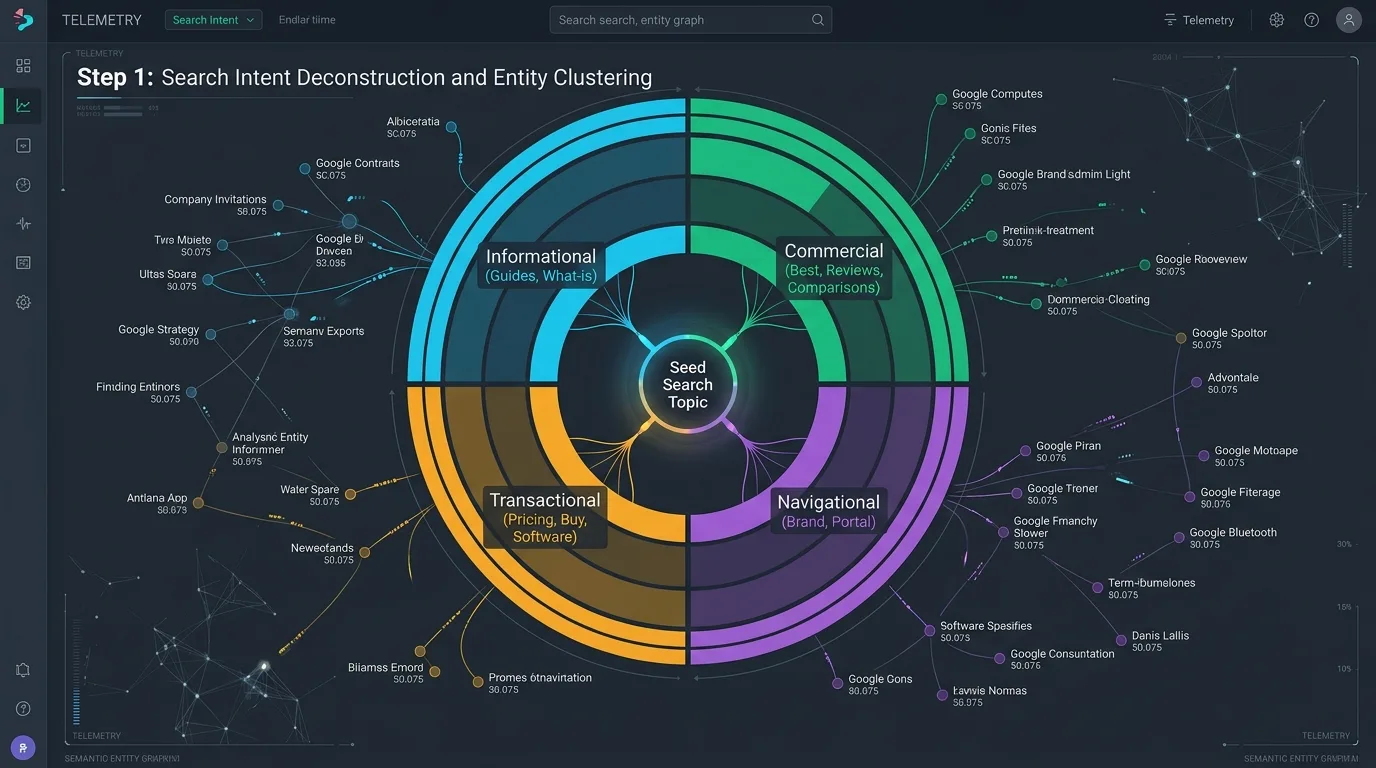
Figure 4: Anchor Text Distribution Matrix — Analyzing Natural vs. Over-Optimized Anchor Ratios Across Competitor Profiles.
The general safe anchor text distribution for most niches in 2026 follows this approximate breakdown: 40-50% branded anchors (company name, domain), 20-25% generic/naked URL ("read more," "source," raw URLs), 15-20% partial-match topical phrases (natural language containing target keywords), and only 5-10% exact-match keyword anchors. Exceeding 15% exact-match anchors signals manipulative link building to Google's Penguin algorithm and can trigger anchor-based suppression filters.
When requesting links during outreach, never specify exact-match anchor text. Instead, suggest 2-3 natural phrasing options and let the editor choose. This produces the organic anchor diversity that search algorithms reward. For deeper insights on how structured markup interacts with link signals, review our comprehensive schema markup guide to understand how Google interprets entity relationships alongside traditional link equity.
Chapter 8: Automating Gap Analysis with Python and APIs
Enterprise-scale backlink gap analysis cannot be performed manually. When monitoring 6 competitors across 500+ referring domains each, the data volume demands automation. Python-based automation using the Ahrefs API, SEMrush API, or Moz Links API enables scheduled weekly gap refreshes that automatically surface new link opportunities as competitors acquire fresh backlinks.
# Automated Backlink Gap Analysis Pipeline
import pandas as pd
from ahrefs_api import AhrefsAPI

def run_backlink_gap_analysis(
    your_domain: str,
    competitors: list[str],
    min_dr: int = 30
) -> pd.DataFrame:
    """Identify referring domains linking to competitors but not to you."""
    api = AhrefsAPI(token="YOUR_API_KEY")

    # Fetch referring domains for your site
    your_refs = set(
        api.get_referring_domains(your_domain, limit=10000)
    )

    # Fetch and intersect competitor referring domains
    gap_domains = []
    for comp in competitors:
        comp_refs = api.get_referring_domains(comp, limit=10000)
        for ref in comp_refs:
            if (ref['domain'] not in your_refs
                and ref['domain_rating'] >= min_dr):
                gap_domains.append({
                    'domain': ref['domain'],
                    'dr': ref['domain_rating'],
                    'traffic': ref['organic_traffic'],
                    'links_to': comp,
                    'anchor': ref['primary_anchor'],
                })

    df = pd.DataFrame(gap_domains)
    # Score by frequency across competitors
    df['competitor_count'] = df.groupby('domain')['links_to'].transform('nunique')
    # Domains linking to multiple competitors are highest priority
    df = df.sort_values(
        ['competitor_count', 'dr'], ascending=[False, False]
    )
    return df.drop_duplicates(subset='domain')
This automated pipeline can be integrated into your existing SEO analytics reporting framework to generate weekly backlink gap reports that automatically populate your outreach CRM with pre-qualified prospects. For teams running at enterprise scale, connecting this pipeline to Google BigQuery enables historical trend analysis of competitor link acquisition velocity over time.
Chapter 9: Measuring Backlink Campaign ROI and Attribution
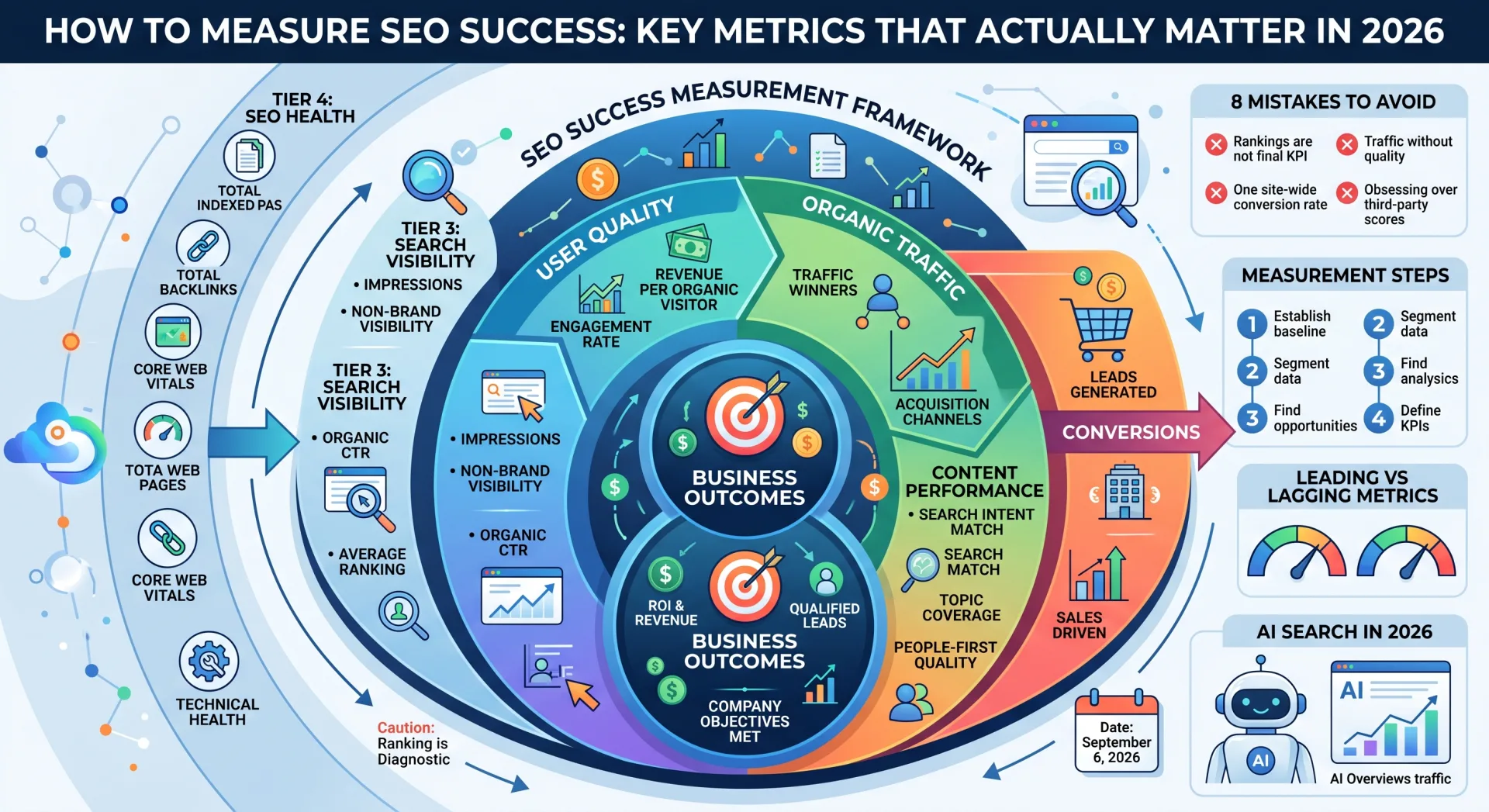
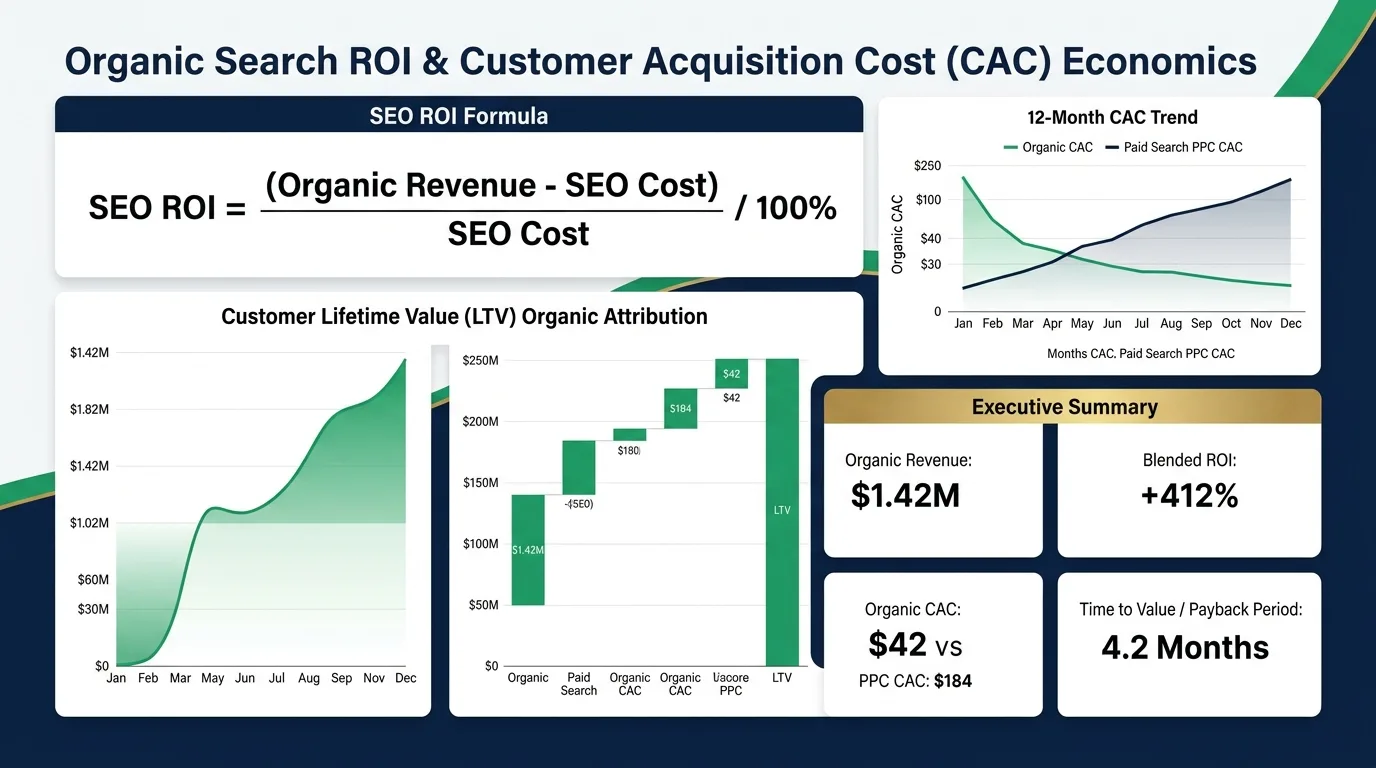
Link building is one of the most resource-intensive SEO activities. Without rigorous ROI measurement, organizations cannot justify continued investment in outreach programs. Effective measurement tracks both leading indicators (outreach volume, response rates, link acquisition velocity) and lagging indicators (ranking improvements, organic traffic growth, revenue attribution).
Key Performance Indicators for Backlink Campaigns
- Link Acquisition Rate: Number of new referring domains acquired per month from gap analysis outreach. Target: 15-30 quality referring domains per month for mid-market sites.
- Cost Per Link (CPL): Total campaign cost (tools + labor + content creation) divided by links acquired. Industry benchmarks range from $200-$500 per editorially earned link from DR 40+ domains.
- Ranking Impact Attribution: Track target keyword ranking changes for specific pages that received new backlinks. Use a 60-90 day attribution window to account for Google's link processing lag.
- Organic Traffic Lift: Measure incremental organic sessions to pages that received new backlinks, controlling for seasonality and algorithm updates using Google algorithm update timelines.
- Revenue Per Link: For e-commerce and lead-gen sites, calculate the downstream revenue generated by traffic increases attributable to each acquired backlink.
Attribution Window Best Practice:
Google does not process and weight new backlinks instantaneously. Research by Ahrefs suggests that the median time for a new backlink to influence rankings is 3.1 months. Set your attribution models accordingly — evaluating link building ROI within 30 days of acquisition will almost always show negative returns, creating a false narrative of underperformance.

Ratings & reviews
No reviews yet. Be the first.