
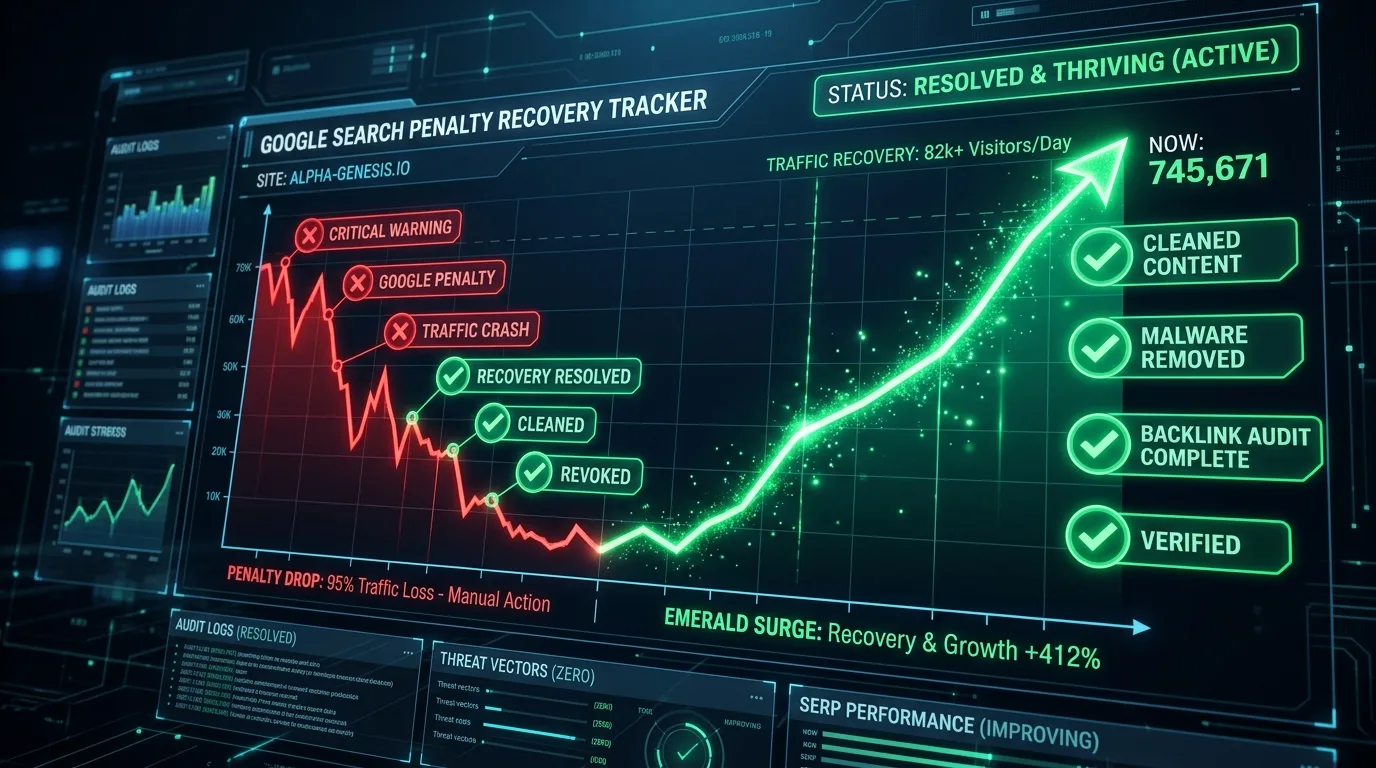
When an unexpected organic traffic drop decimates your Google rankings overnight, the immediate reaction of most marketing leaders is knee-jerk panic: haphazardly rewriting meta descriptions, disavowing random backlinks, or arbitrarily deleting entire subdirectories. In 2026, Google's ranking systems do not operate as rigid, isolated ranking checklists; they function as interconnected, deep neural classifiers powered by the Helpful Content System (HCS), SpamBrain, Twin Towers deep learning architectures, and holistic E-E-A-T site-wide quality evaluations. Recovering from an algorithmic hit requires forensic precision, scientific data isolation, and systematic content remediation. This definitive playbook provides search leaders, webmasters, and SEO directors with an exhaustive, step-by-step forensic diagnostic protocol to isolate ranking volatility, execute site-wide content purification, and engineer an unshakeable 90-day organic recovery.
The Critical Distinction in Search Volatility:
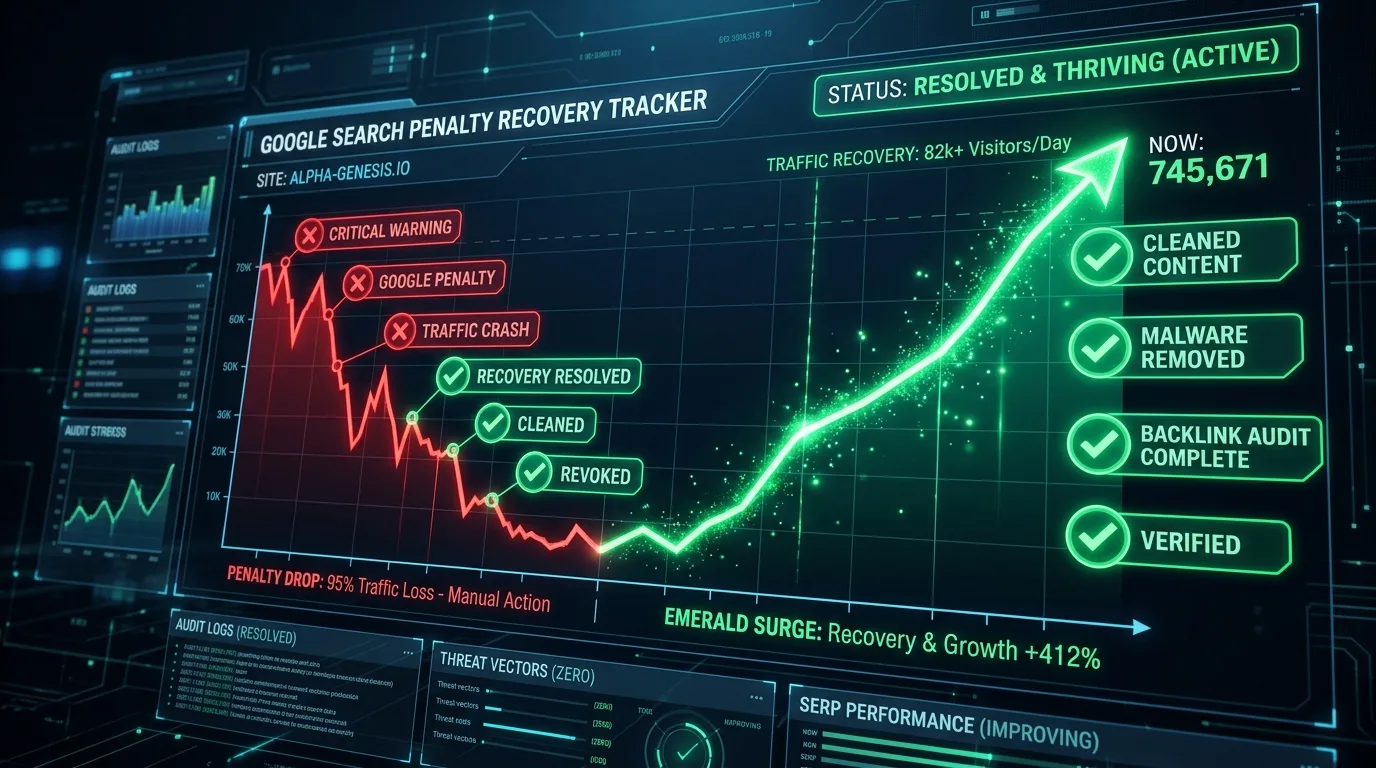
Never confuse an Algorithmic Ranking Demotion with a Manual Action Penalty. Manual actions are human-reviewed penalties accompanied by a explicit red notification in Google Search Console's Security & Manual Actions tab. Algorithmic demotions occur silently inside Google's automated machine learning classifiers, leaving zero notifications in GSC while quietly depreciating your organic visibility across thousands of SERPs.
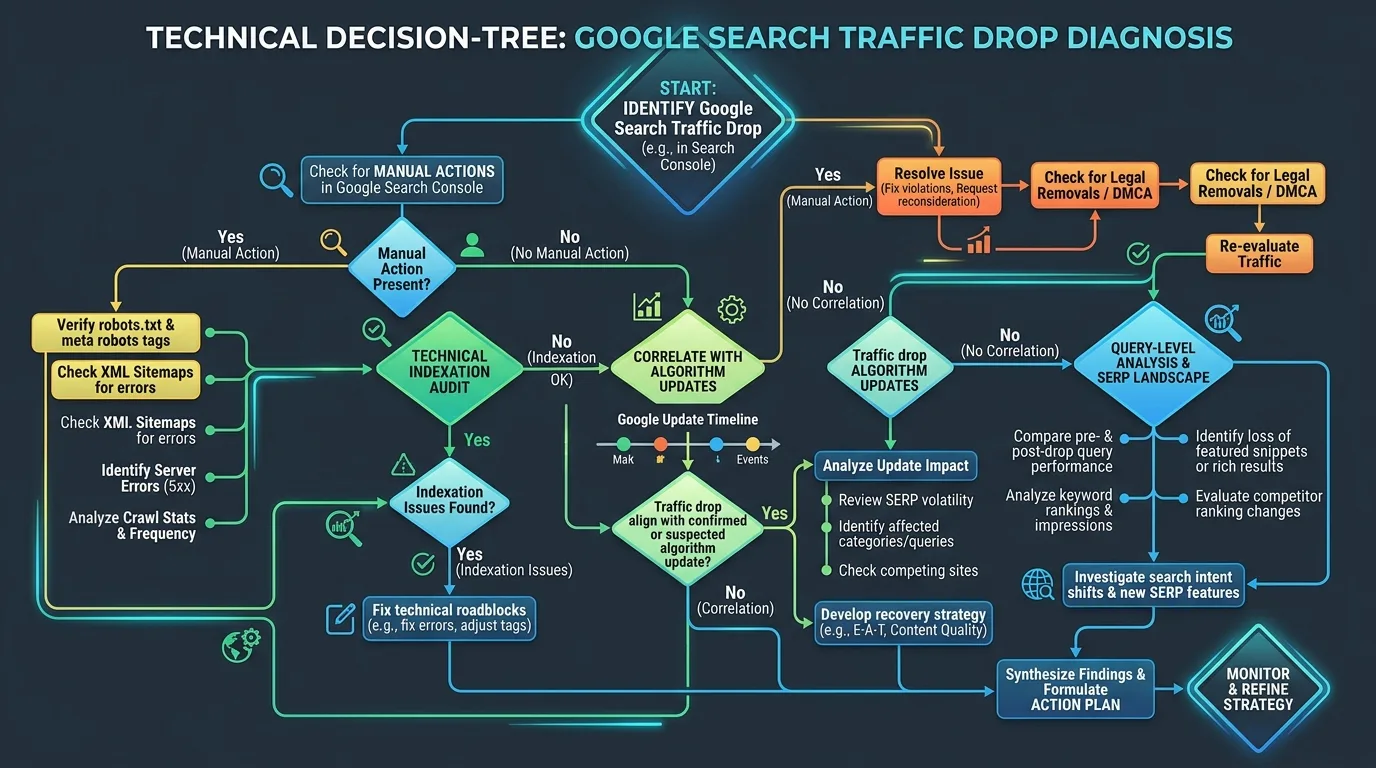
Figure 1: Forensic Diagnostic Decision Tree — Isolating Algorithmic Hits from Technical Bugs, Tracking Glitches, and Seasonality.
Chapter 1: The Forensic Volatility Triage Protocol
Before concluding that your website has been penalized by a Google Core Update, you must systematically eliminate non-algorithmic points of failure. Over 35% of reported “algorithm drops” turn out to be self-inflicted technical or tracking errors.
Step 1: Verify Analytics Tracking Telemetry
- Consent Management Platform (CMP) Failures: Check if a recent cookie banner update blocked Google Tag Manager or GA4 scripts from loading for non-consenting European/California visitors.
- Cross-Domain Referral Stripping: Verify that recent payment gateway or subfolder redirects are not recording self-referrals, fragmenting session data.
- GSC vs. GA4 Delta Check: Cross-examine Google Search Console impressions against GA4 organic sessions. If GSC impressions remain flat but GA4 sessions collapsed, the drop is an analytics tracking bug, not an algorithm hit.
Step 2: Isolate Technical and Indexation Regressions
- Accidental Robots.txt Disallows: Inspect recent deployment pull requests for accidental disallow rules targeting production paths.
- Canonical Loop / Tag Stripping: Confirm that canonical link elements are returning absolute, 200 OK URLs and are not pointing to staging or 404 targets.
- HTTP/3 & Server Error Spikes: Review Cloudflare or web server access logs for spikes in HTTP 500, 502, or 503 response codes during Googlebot crawl passes.
Chapter 2: The Google Algorithm Taxonomy: What System Hit You?
Google rolls out multiple major updates each year. Identifying the exact algorithmic system responsible for your traffic reduction dictates the precise remediation strategy.
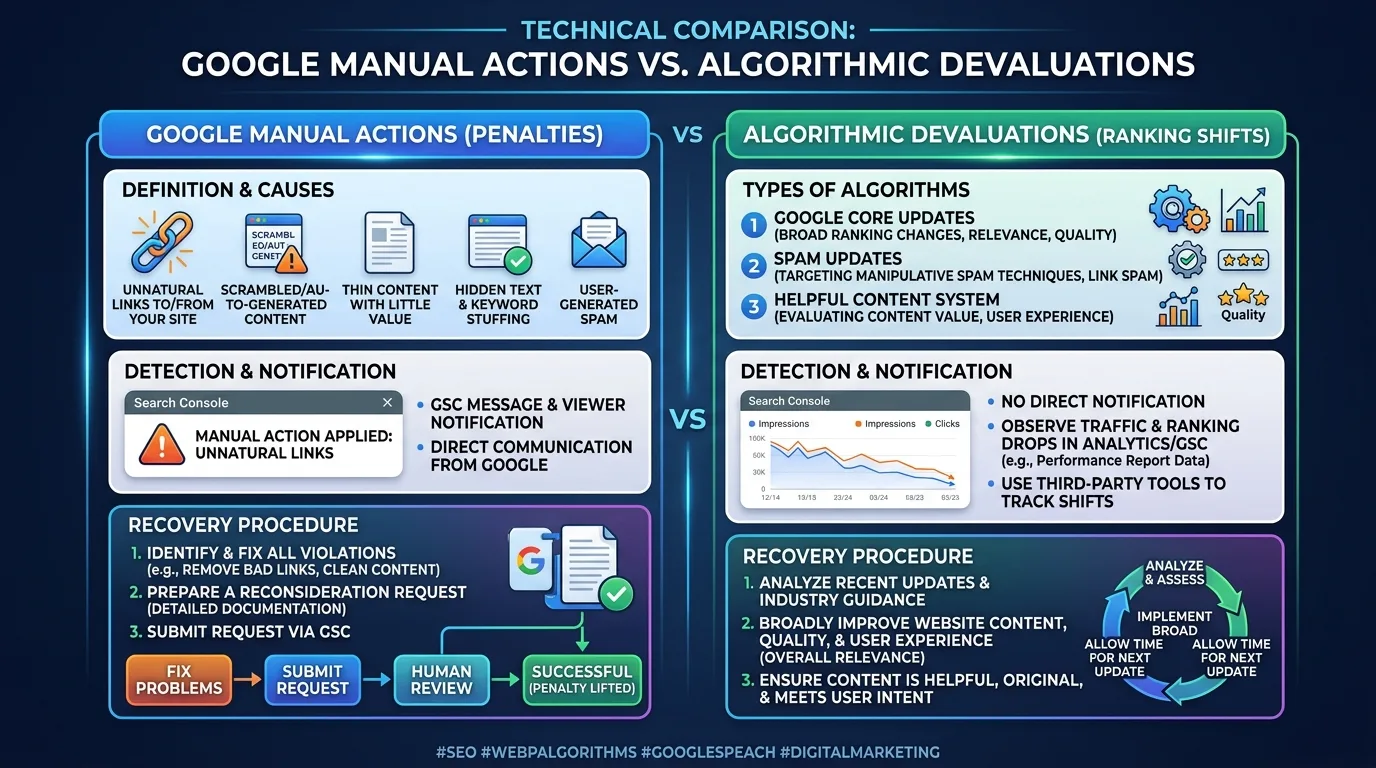
Figure 2: The Modern Google Algorithm Taxonomy — Scope, Classifier Mechanisms, and Recovery Timelines.
| Algorithm System | Primary Focus Area | Classification Scope | Recovery Mechanism |
|---|---|---|---|
| Helpful Content System (HCS) | Search-engine-first content, low information gain, aggregated thin articles | Site-Wide Classifier | Aggressive content pruning, consolidation, and long-term unhelpful signal decay. |
| Core Updates | Holistic site quality, E-E-A-T relevance, search intent satisfaction, topic authority | Holistic Domain & Page Level | Subsequent Core Update rollouts (typically 3 to 6 months interval). |
| SpamBrain & Spam Updates | Scaled content abuse, expired domain abuse, site reputation abuse (parasite SEO) | Host / Subdomain / URL | Immediate removal of offending programmatic or hosted third-party sections. |
| Product Reviews Update | First-hand testing evidence, quantitative benchmarks, authentic multimedia | Commercial & Review URLs | Integrating proprietary test data, real photography, and pros/cons matrices. |
Chapter 3: Deconstructing the Helpful Content System (HCS)
The single most destructive algorithmic mechanism experienced by publishers in recent years is the Helpful Content System (HCS), which is now fully integrated into Google's foundational Core ranking algorithm. Understanding its mathematical mechanics is vital for survival.
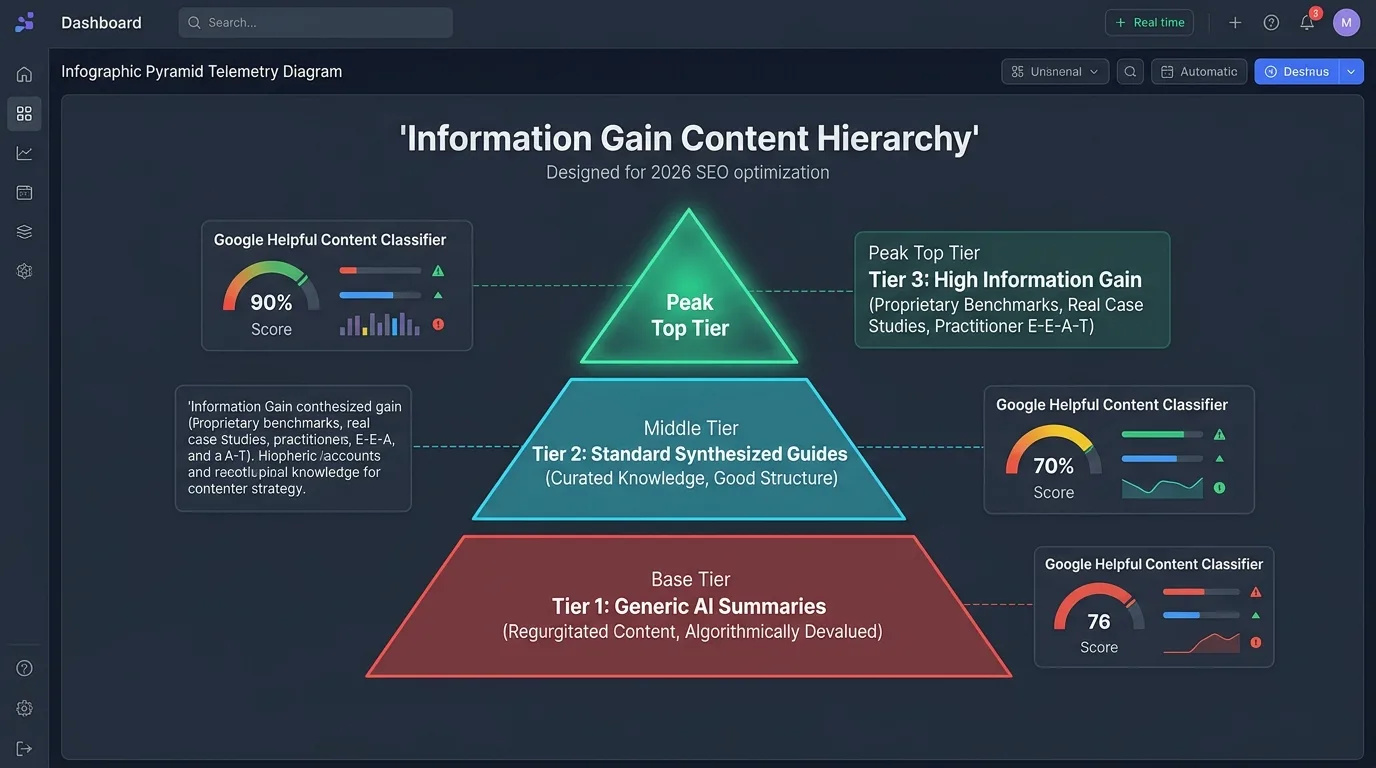
Figure 3: Helpful Content System Classifier Architecture — Information Gain Scoring and Site-Wide Drag Thresholds.
1. The Site-Wide Classifier Penalty Drag
Unlike page-level ranking factors (such as title tag keyword placement or schema markup), the HCS classifier assigns a site-wide weighted score to your entire domain. If Google's machine learning classifiers determine that a significant percentage of your indexed URLs provide low value, lack original perspective, or rehash existing top-ranking search results, a site-wide demotion multiplier is applied across all pages on your website—including your genuinely high-quality articles.
2. The Concept of Information Gain
Google's Information Gain Patent (US10725983B2) explicitly defines how search models evaluate new documents. When an article merely paraphrases existing search results without adding proprietary data, counter-intuitive perspectives, original quotes, or practical case studies, its Information Gain score is zero. Zero information gain is the primary trigger for HCS demotion.
The Unhelpful Content Threshold:
Google's official documentation states: “Removing unhelpful content can help the rankings of your other content.” In practical recovery audits, if more than 30% of your domain's total indexed URLs receive zero organic impressions over a 90-day window, those pages act as an anchor dragging down the organic potential of your entire brand.
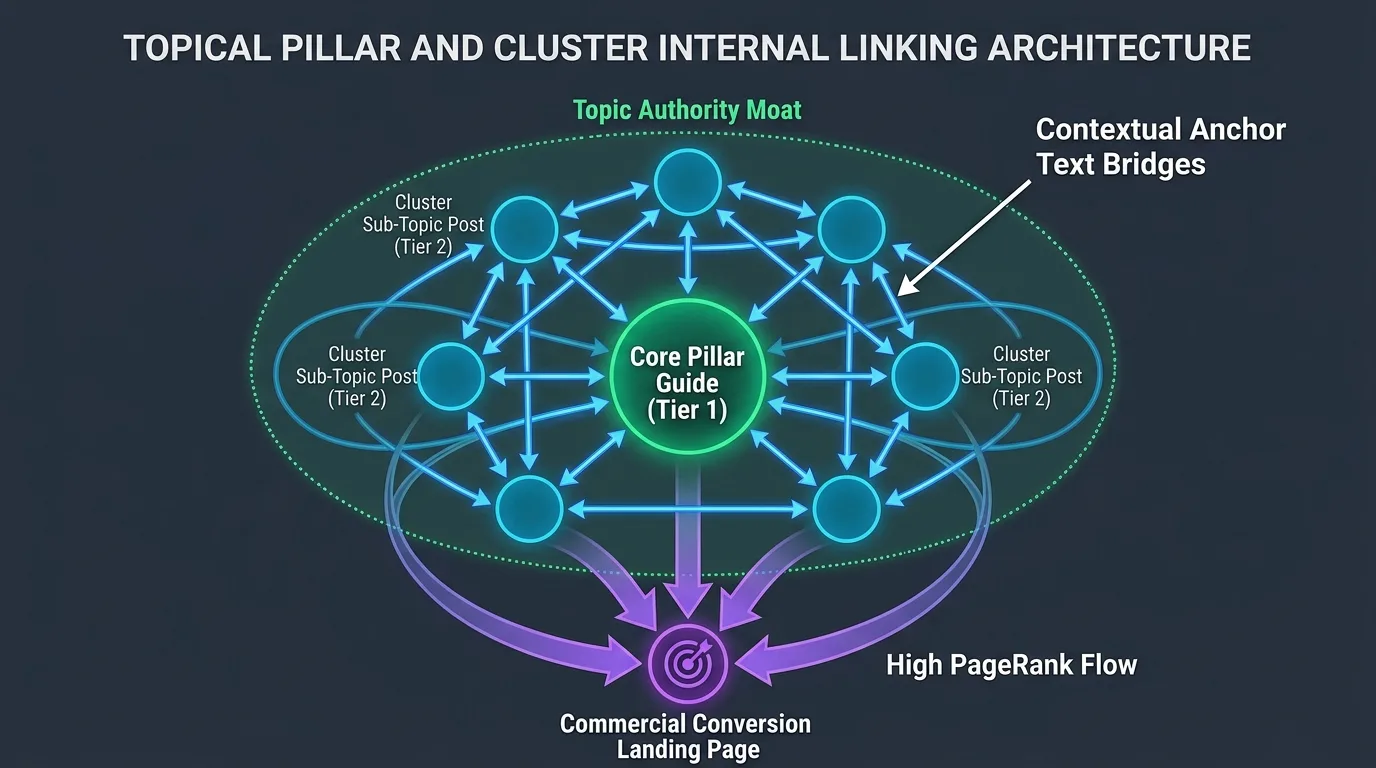
Chapter 4: The 40-Point Forensic Site Quality & E-E-A-T Scorecard
Recovering from an algorithm update requires conducting a ruthless, objective audit across your entire content catalog. Evaluate every section of your website against these four core E-E-A-T dimensions:
| Audit Dimension | Evaluation Checkpoint | Critical Diagnostic Question |
|---|---|---|
| 1. Experience | First-Hand Evidence | Does the content demonstrate direct physical or operational experience with the subject matter? |
| Original Media Evidence | Are screenshots, videos, and photographs custom and proprietary, or generic stock imagery? | |
| 2. Expertise | Author Verification | Does every article feature a verified, accredited author with clear professional credentials and bio links? |
| Technical Depth | Does the text provide advanced technical mechanics, code blocks, or formulas beyond beginner definitions? | |
| 3. Authoritativeness | Topical Focus Integrity | Does the website stick to its core topical niche, or does it publish loosely related lifestyle fluff for traffic? |
| External Citation Footprint | Is the brand entity cited and referenced as an authoritative source by trusted third-party publications? | |
| 4. Trustworthiness | Commercial Transparency | Are affiliate disclosures, editorial policies, physical addresses, and refund policies prominently accessible? |
| Ad-to-Content Ratio | Do intrusive popups, interstitial banners, or aggressive programmatic ads disrupt the reading experience? |
Chapter 5: The Content Pruning & Consolidation Protocol
The fastest way to lift an algorithmic classifier penalty is to systematically purge unhelpful content. We execute this via the Keep, Refresh, Merge, or Prune (KRMP) Framework:
# The KRMP Content Categorization Framework:
- • [KEEP]: Articles driving consistent organic conversions, earning natural backlinks, and demonstrating high E-E-A-T. Leave untouched.
- • [REFRESH]: High-potential articles with declining rankings. Inject proprietary case studies, update statistics, add responsive data tables, and expand technical depth.
- • [MERGE - 301]: Competing articles suffering from keyword cannibalization. Consolidate their best sections into a single master pillar page and 301 redirect the redundant URLs.
- • [PRUNE - 410]: Zero-traffic, low-quality, outdated, or thin articles with zero backlinks. Permanently delete them and return a 410 Gone HTTP status header.
1. Why 410 Gone is Superior to 301 Redirects for Thin Content
When pruning hundreds of low-quality articles, webmasters often make the critical mistake of 301 redirecting all deleted URLs to the homepage or category root. This creates massive “soft 404” errors and passes low-quality signals directly to core parent pages. Instead, returning a 410 Gone status code explicitly instructs Googlebot to permanently remove the URL from its indexing pipeline immediately, eliminating crawl waste and purifying site-wide quality.
Chapter 6: Backlink Profile Forensics, SpamBrain & The Disavow Tool Debate
In past algorithmic eras, spammy inbound links caused devastating site-wide algorithmic penalties via Google Penguin. In 2026, Google's SpamBrain neural AI operates on a fundamentally different principle: algorithmic link neutralization rather than manual demotion.
1. How SpamBrain Evaluates Inbound Backlinks
SpamBrain assesses link equity by examining the semantic relationship between referring domains and destination pages, looking for artificial anchor text spikes, link networks (PBNs), and sponsored links lacking required rel="sponsored" or rel="nofollow" attributes. When SpamBrain detects unnatural link patterns, it simply discounts them, causing their PageRank contribution to drop to zero (\(PR = 0\)).
2. The Forensic Disavow Protocol: When to Intervene
Should you submit a disavow file after a traffic drop? Google's official spokespeople have consistently stated that standard webmasters do not need to disavow links. However, in forensic enterprise audits, submitting a disavow file is warranted under specific conditions:
- Active Manual Actions: If your GSC account displays an active “Unnatural Links to Your Site” penalty, a comprehensive disavow file combined with a reconsideration request is mandatory.
- Historical Legacy PBN Purchases: If a previous SEO agency purchased thousands of commercial exact-match anchor links that are actively toxic, disavowing them at the domain level clears algorithmic ambiguity.
- Negative SEO Link Blasts: If automated scraper networks generate millions of pornographic or casino anchor redirects pointing at your root domain, disavowing them protects brand entity cleanliness.
The Danger of Over-Disavowing:
Many panicked webmasters disavow entire referring subnets simply because an SEO tool labeled them as “toxic”. Third-party “toxicity scores” do not reflect Google's internal systems. Disavowing legitimate, low-authority directory or blogger links strips genuine PageRank, exacerbating your organic traffic drop.
Chapter 7: Leading vs. Lagging Indicators: Tracking Your Recovery Telemetry
Algorithmic recovery is never instantaneous. Google does not flip a binary switch overnight. Tracking leading indicators during the 90-day remediation cycle prevents premature abandonment of sound strategies.
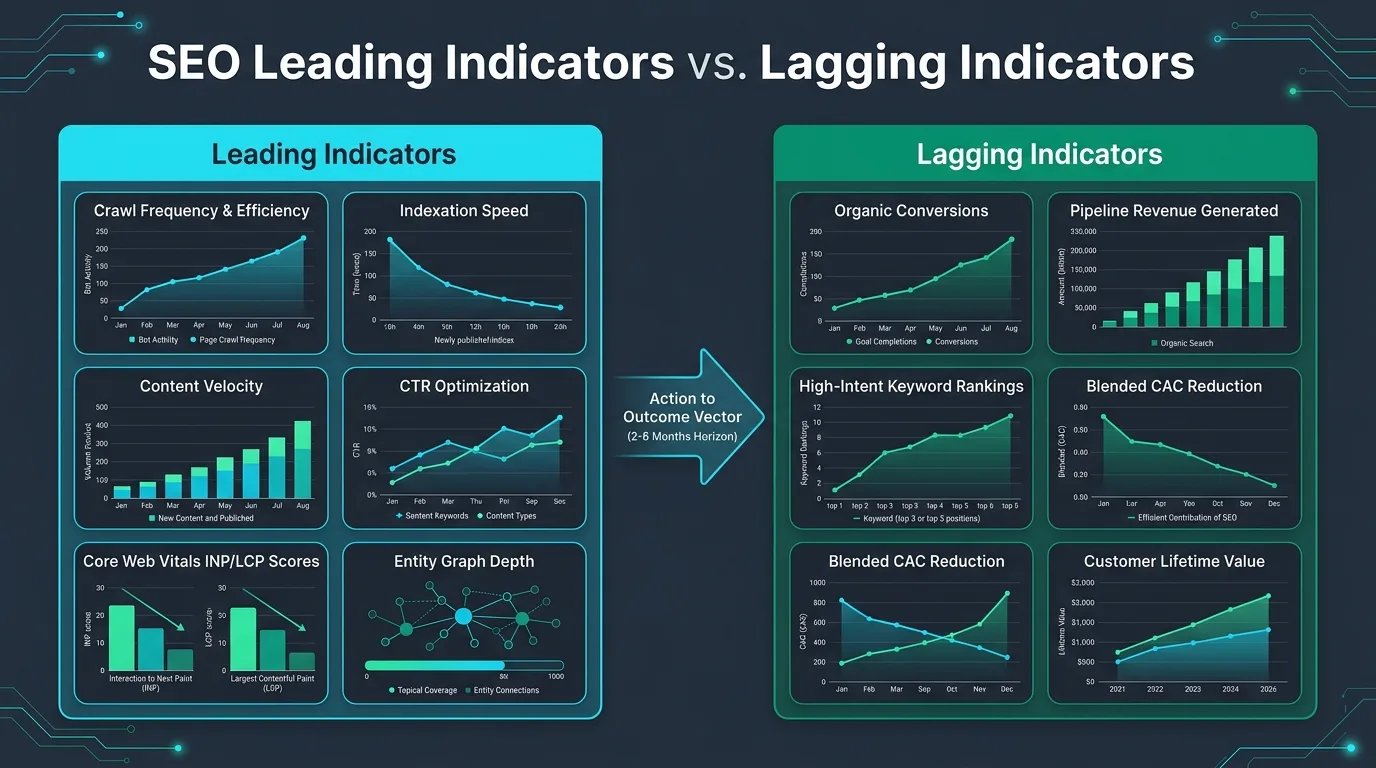
Figure 4: Leading versus Lagging Quality Telemetry Indicators During Algorithmic Recovery.
1. Leading Indicators (Weeks 1 to 6)
- Googlebot Crawl Frequency Acceleration: Server logs reveal Googlebot visiting refreshed pages more frequently and respecting 410 Gone deletions.
- Long-Tail Impression Rebound in GSC: Search Console impressions begin trending upward for low-competition long-tail queries before clicks rebound.
- Average Position Stabilization: Keyword volatility flattens, halting the downward trajectory across core tracked query buckets.
2. Lagging Indicators (Weeks 7 to 16)
- Top 3 SERP Placements: Competitive transactional commercial keywords begin recapturing page-one rankings.
- Organic Click & Revenue Recovery: Meaningful session volume and bottom-line lead generation return to baseline levels.
- Official Core Update Validation: Full historical recovery is finalized when the subsequent Google Core Update completes its rollout.
Chapter 8: The 90-Day Algorithmic Recovery & Rebound Roadmap
Executing an algorithmic turnaround requires an organized, multi-phase operational schedule:

Figure 5: The 90-Day Algorithmic Recovery Lifecycle — Triage, Pruning, Authority Injection, and Rebound.
| Phase | Timeline | Core Operational Objectives | Deliverables |
|---|---|---|---|
| Phase 1: Forensic Triage | Days 1 - 14 | Isolate technical bugs, verify analytics telemetry, identify affected URL clusters, determine update taxonomy. | Forensic Impact Audit Report |
| Phase 2: Content Purification | Days 15 - 35 | Execute KRMP framework. Delete thin pages with 410 Gone, merge cannibalized articles, remove AI spam. | Clean Sitemap & 410 Header List |
| Phase 3: E-E-A-T Injection | Days 36 - 60 | Rewrite retained articles for information gain, add verified author schemas, embed original testing data and photos. | Upgraded Pillar Content Hubs |
| Phase 4: Authority Rebuilding | Days 61 - 90 | Launch digital PR campaigns, earn Tier-1 editorial citations, generate branded search volume, monitor crawl logs. | Full Algorithmic Rebound Validation |
The Golden Rule of Algorithm Recovery:
Do not attempt to game the system with artificial link velocity or automated spinning during recovery. Google's machine learning classifiers evaluate consistency over time. Demonstrating sustained quality improvements over multiple crawl cycles is the only proven method to permanently shed an algorithmic demotion.

Chapter 9: Search Console & BigQuery Forensic Anomaly Isolation
When an algorithm update strikes, high-level traffic graphs only show the damage—they do not explain the cause. Isolating the specific search intent shifts and query-level losses requires querying raw Google Search Console telemetry via Google BigQuery.
1. Isolating Intent-Level Query Decay
Analyze how performance dropped across different query intent buckets:
- Branded vs. Non-Branded Queries: If branded search impressions remained 100% stable while non-branded informational queries dropped 60%, your brand entity is intact, but your informational content lacks sufficient Information Gain.
- Broad Head Terms vs. Long-Tail Queries: Core updates often prune sites from broad head queries (where Google favors massive multi-topic authorities like Wikipedia or Reddit) while retaining long-tail specific queries where your page offers unique technical depth.
- SERP Feature Cannibalization: Verify whether your organic clicks were lost due to ranking drops or because Google introduced AI Overviews, video carousels, or direct answers that absorbed user clicks.
# Key Diagnostic Queries to Run on Search Console Datasets:
- • Group URLs by subfolder to isolate whether the demotion was site-wide or concentrated in a specific vertical.
- • Compare CTR drops across ranking positions 1 through 5 to detect the introduction of Google AI Overviews.
- • Measure keyword churn: identify queries where impressions dropped to zero versus queries that simply slid from position 3 to position 8.
Chapter 10: Page Experience, Core Web Vitals & Layout Quality Hardening
While content relevance and E-E-A-T form the bedrock of algorithmic ranking, technical page experience acts as an uncompromising quality multiplier. Sites with aggressive monetization and disruptive layouts frequently suffer heavier Core Update demotions.
1. Eliminating Content-Shifting Ad Units
Aggressive ad networks that inject dynamic banners above the fold without reserving explicit CSS aspect ratios trigger severe Cumulative Layout Shift (CLS > 0.25). When mobile readers accidentally tap ads due to unexpected layout jumps, Google's user satisfaction classifiers log high bounce-back rates, compounding algorithmic penalties.
2. Interaction to Next Paint (INP) Optimization
Heavy client-side JavaScript tracking tags and third-party widgets monopolize the browser's main thread, causing catastrophic delays when visitors attempt to interact with menus or forms. Ensuring an INP score under 200ms guarantees smooth client-side execution that satisfies Google's Page Experience criteria.
3. User Interaction Signals & The NavBoost Factor
Testimony unsealed in antitrust regulatory proceedings confirmed that Google's NavBoost system utilizes aggregated user clickstream and re-query behaviors to evaluate document satisfaction. If users regularly click your search result, stay for less than 8 seconds, and immediately return to the SERP to click a competitor (pogo-sticking), Google's neural rankers demote your document. Hardening page experience requires improving above-the-fold content density, removing visual clutter, and delivering instant answers to query intent.
Technical Hygiene Checklist:
Ensure 100% HTTPS security across all subdomains, eliminate mixed-content warnings, compress all imagery into next-gen WebP or AVIF formats, and guarantee mobile viewport parity between desktop and smartphone DOM trees.
Chapter 11: Building Sustainable Post-Recovery Immunity
True search authority is resilient. Once your website successfully recovers from an algorithmic demotion, your operational priority must shift toward building unshakeable algorithmic immunity against future Core Updates.
1. The Multi-Channel Traffic Flywheel
Websites that depend 100% on Google organic search are perpetual hostages to algorithmic volatility. High-authority brands insulate their revenue by engineering direct audience relationships:
- Dedicated Email Newsletters: Building owned subscriber lists creates a guaranteed baseline of high-intent readers who visit directly.
- Branded Community Channels: Cultivating active discussions on LinkedIn, YouTube, Discord, or industry podcasts drives recurring branded search queries in Google.
- Direct Referral Partnerships: Strategic co-marketing and editorial relationships ensure steady referral traffic independent of search algorithms.


Ratings & reviews
No reviews yet. Be the first.