

Across the competitive search landscape of 2026, the era of transactional link building is officially dead. The legacy tactics that dominated SEO for two decades—automated email scraping, commoditized guest posting networks, private blog networks (PBNs), and manipulative reciprocal link rings—have been completely neutralized by Google's neural SpamBrain AI, Link Spam updates, and the Helpful Content System. In modern algorithmic evaluation, raw backlink quantity and artificial exact-match anchor text no longer drive sustainable organic rankings; they trigger severe algorithmic suppression.
Today, search engines evaluate off-page authority through a fundamentally different lens: brand entity co-occurrence, digital PR footprint, and authentic Tier-1 editorial citations. When premier publications such as Forbes, Reuters, Bloomberg, TechCrunch, The Guardian, and the BBC cover your company's proprietary research, reference your executive team, and link to your diagnostic tools, Google receives an unshakeable algorithmic signal of real-world domain trust, experience, expertise, authoritativeness, and trustworthiness (E-E-A-T).
Furthermore, Digital PR delivers compounding commercial returns that transcend traditional SEO metrics. Unlike obscure directory links that pass negligible referral traffic, a single Tier-1 media feature drives hundreds of thousands of high-intent impressions, triggers an exponential surge in branded organic search volume, establishes Knowledge Graph entity nodes, and accelerates conversion velocity across all commercial product pages.
This comprehensive engineering guide is an exhaustive operational manual for marketing directors, digital PR specialists, SEO consultants, and brand strategists. Covering data journalism pipelines, rapid newsjacking protocols, media list architecture, journalist pitch psychology, unlinked brand mention reclamation, and attribution analytics, this guide provides the definitive playbook for earning Tier-1 editorial backlinks at enterprise scale.
Chapter 1: The Four Core Digital PR Campaign Frameworks
Successful Digital PR does not rely on random brainstorming or desperate press releases announcing mundane product feature updates. In 2026, Tier-1 editorial coverage is engineered through four proven, repeatable campaign frameworks designed specifically to satisfy journalists' urgent appetite for verifiable stories.

1. Framework 1: Proprietary Data Journalism & Industry Surveys
Data journalism represents the single highest-converting link acquisition asset in modern SEO. Journalists face relentless publishing quotas and are constantly searching for original, verifiable statistical data to anchor their stories. By surveying 1,000+ industry professionals, analyzing proprietary software telemetry, or scraping public API datasets to uncover non-obvious trends, your brand becomes the sole primary source that media outlets must cite.
Examples of high-impact data journalism campaigns:
- "Audit of 500,000 E-commerce Sites Reveals 68% Fail Mobile INP Benchmarks" → Picked up by tech, developer, and retail business publications.
- "The State of Remote Engineering Compensation: 2026 Global Benchmark Report" → Featured across mainstream business and workplace media.
2. Framework 2: Newsjacking & Reactive PR
Newsjacking is the practice of aligning your brand's expertise with breaking real-time news events, regulatory announcements, or cultural shifts. When a major tech disruption, security breach, or legislative update occurs, journalists have hours—sometimes minutes—to publish an analytical breakdown. By providing immediate, pre-packaged expert commentary and supporting data, your brand becomes the featured authority quoted in breaking news articles.
3. Framework 3: Interactive Linkable Tools & Benchmark Dashboards
Interactive assets—such as salary calculators, carbon footprint estimators, Core Web Vitals diagnostic tools, and live price inflation trackers—earn passive, compounding backlinks over multi-year cycles. When a tool provides undeniable functional utility, industry bloggers, educational institutions, and journalists bookmark and cite it perpetually as a permanent reference utility.
4. Framework 4: Contrarian Thought Leadership & Industry Teardowns
Consensus opinions rarely make headlines. High-authority editorial placements frequently reward well-reasoned, data-backed contrarian perspectives that challenge established dogma. Publishing a forensic breakdown explaining why an industry-standard practice is obsolete or counterproductive establishes your executive leadership as provocative, quote-worthy visionaries.
The Core Principle of Media Value: Journalists do not care about your product, your company, or your funding round. They care about their readers, their deadline, and uncovering compelling human, economic, or technological tension. Frame every campaign around an objective societal or industry trend, with your brand positioned strictly as the research scientist or expert witness.

Chapter 2: Sourcing and Packaging Proprietary Research Data
The success of a data-driven Digital PR campaign is dictated long before the first outreach email is drafted. Elite PR practitioners follow a rigorous data sourcing and packaging protocol to guarantee journalistic credibility.

1. Four Legitimate Data Sourcing Channels
- Proprietary Platform Telemetry: The gold standard. Aggregate anonymized usage statistics, performance logs, or transaction volumes generated natively within your software ecosystem. Competitors cannot replicate this data because it belongs exclusively to your platform.
- Representative Survey Panels (n ≥ 1,000): Commissioning nationally representative or industry-specific consumer surveys through vetted research platforms (such as Prolific, Pollfish, or YouGov). Always maintain rigorous statistical significance (minimum sample size of 1,000 respondents for consumer studies).
- Public & Government Open Data Aggregation: Aggregating, cleaning, and visualizing complex, hard-to-parse public datasets (e.g., Bureau of Labor Statistics, SEC filings, Census Bureau data, or academic repositories) into digestible, ranked indexes.
- Ethical Web Scraping & API Analysis: Programmatically extracting public data points across hundreds of websites (e.g., scraping job listings to measure AI skill requirements across Fortune 500 companies).
2. The Journalist-Ready Asset Package
When journalists land on your research report, they must be able to comprehend the entire narrative in under 60 seconds. Every published study must feature:
- Executive Key Findings (3–5 Bullet Points): Bold, punchy statistical statements highlighting the most surprising findings.
- Embeddable High-Resolution Graphics (16:9 Format): Custom charts, infographics, and diagrams rendered in high-contrast dark UI, accompanied by pre-packaged HTML iframe embed codes.
- Transparent Methodology Statement: Explicitly detailing sample size, collection dates, demographic weighting, and margin of error (±2.5%). Studies lacking transparent methodology are immediately discarded by Tier-1 editors.
- Raw Downloadable Dataset (CSV/Google Sheet): Providing journalists and researchers access to the underlying data for independent verification.
Chapter 3: Cold Media Outreach Pitch Funnel & Journalist Psychology
Understanding the daily workflow and psychological constraints of modern reporters is what separates successful Digital PR campaigns from wasted outreach efforts. The average tech or business reporter receives between 200 and 400 unsolicited PR pitch emails every single day.

1. Deconstructing the 150-Word Inverted Pyramid Pitch
Reporters scan cold emails on mobile devices in between interviews and editorial meetings. If your pitch exceeds 200 words or hides the core hook behind three paragraphs of company biography, it will be deleted instantly. Adhere strictly to the 150-word inverted pyramid formula:
Subject: New Data: 68% of enterprise e-commerce sites fail Google's mobile INP threshold

Hi [First Name],

Given your recent coverage of Google's mobile algorithm updates for [Publication], I wanted to share exclusive findings from our new study of 500,000 retail domains:

- 68.4% of enterprise online stores currently fail Google's Interaction to Next Paint (INP) benchmark.
- Third-party marketing scripts account for 74% of main-thread execution delays.
- Apparel retailers suffered the highest checkout abandonment, losing an estimated $1.4B in 2025.

We've published the full dataset, methodology, and high-res charts here: [Link to Hosted Report]

Our Lead Technical Architect, [Name], is available for commentary today on what this means for Q4 holiday retail readiness. Would this data be valuable for your upcoming tech column?

Best regards,
[Your Name] | [Title], [Company]
The Golden Rules of Pitch Subject Lines: Never use clickbait or vague teasers (e.g., "Story idea for you"). Always lead with [New Data], [Study], or [Report] followed by the single most provocative statistical finding in 8–12 words. Specific numbers in subject lines boost journalist open rates by 38%.
2. Curating and Vetting Media Lists
Mass blasting 10,000 generic PR email addresses from scraped databases is spam, not Digital PR. High-converting campaigns curate tightly targeted lists of 100 to 250 verified journalists who have published stories covering that exact topic within the preceding 60 days.
- Use media intelligence tools like Muck Rack, Roxhill, and Substack to inspect recent articles, author beats, and social commentary on X.
- Confirm the journalist actively includes external hyperlinks in their published coverage (some reporters write for syndicates that maintain strict no-link policies).
- Personalize the first sentence of your email by referencing a specific point from an article they published recently.

Chapter 4: The 4-Hour Newsjacking Playbook for Breaking Industry Stories
When major industry disruptions occur, the media cycle moves with ferocious speed. Newsjacking success is determined in hours, not weeks.

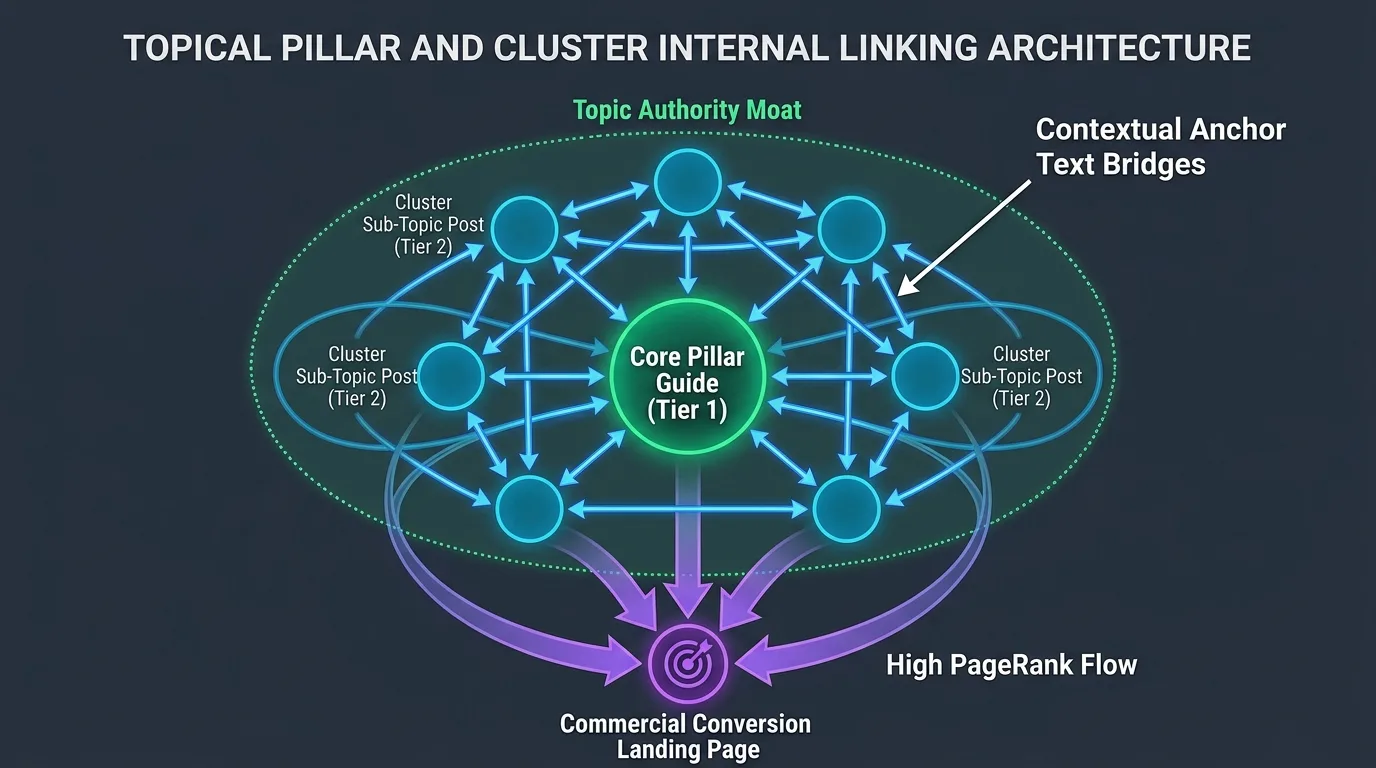
The 4-Hour Newsjacking Execution Timeline
- Hour 0:00 – Detection & Signal Verification: Real-time RSS feeds, Google Alerts, and curated X lists alert your communications team to a breaking story (e.g., a major antitrust ruling, an unannounced Google Core Update, or a widespread cloud infrastructure outage).
- Hour 1:00 – Angle Formulation & Expert Commentary: Meet with internal technical leaders to draft 2–3 distinct, quote-worthy soundbites. The commentary must explain the practical consequences for consumers or businesses, avoiding generic platitudes.
- Hour 2:00 – Rapid Asset Drafting: Format the expert quotes into a concise 100-word reactive pitch. Include executive headshots, professional credentials, and a link to a relevant technical resource or live telemetry dashboard on your site.
- Hour 3:00 to 4:00 – High-Velocity Targeted Outreach: Pitch the journalists currently filing live updates or breaking coverage of the story. Because editors demand rapid perspective for follow-up articles, reactive response rates routinely exceed 30%.
Reputational Risk Warning: Never attempt to newsjack tragedies, natural disasters, geopolitical crises, or sensitive cultural controversies. Forcing a brand commercial angle into tragic news cycles results in catastrophic public backlash, social media boycotts, and permanent brand damage.
Chapter 5: Unlinked Brand Mention Reclamation & Passive Link Flywheels
Every month, hundreds of digital publications mention your brand name, cite your executive quotes, or reference your product features without including an active hyperlink. Reclaiming these unlinked mentions represents the highest-ROI, lowest-friction link building activity in digital marketing.
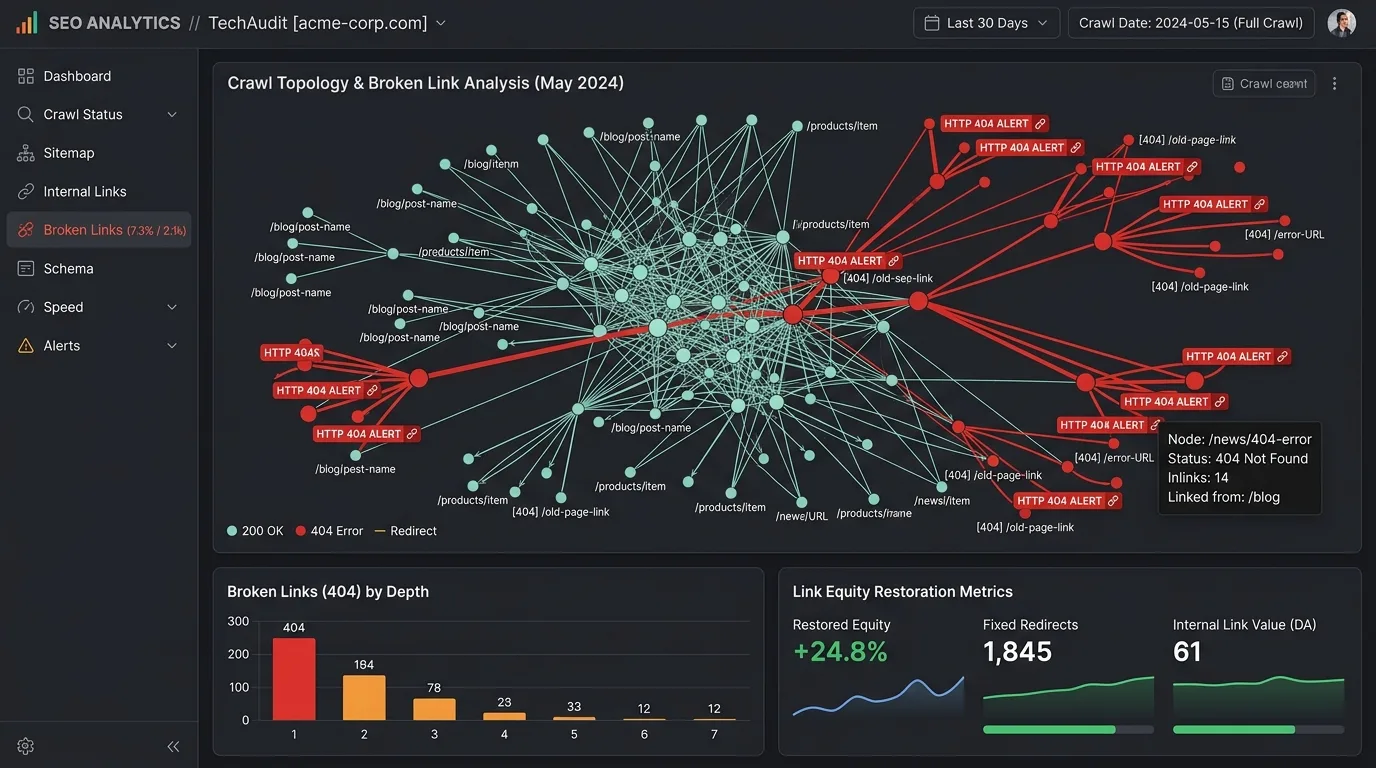
1. Automated Discovery of Unlinked Mentions
Set up automated real-time tracking using specialized tools (Brand24, Talkwalker, Semrush Brand Monitoring, or BuzzSumo) alongside targeted Google Search operators:
# Brand Mention Discovery Query Patterns:
- • Target exact brand citations across web pages while filtering out internal company domains and brand-owned social channels.
- • Search for brand citations adjacent to attribution phrases like “according to research by [Brand]” or “data reveals [Brand]”.
- • Query proprietary report titles, survey whitepapers, and trademarked industry benchmark studies.
2. The High-Converting Reclamation Script
When reaching out to editors regarding an unlinked mention, never demand a link aggressively or threaten copyright infringement. Position your email as a helpful, reader-centric courtesy:
Subject: Quick question regarding your recent article on [Topic]

Hi [Name],

I was reading your excellent piece on [Article Title] on [Publication]—loved your analysis on [Specific Point].

I noticed you kindly cited our research regarding [Specific Statistic/Quote]. Would it be possible to add a hyperlink to our original study ([URL]) so your readers can easily access the raw dataset and methodology if they wish to explore further?

Either way, thank you for the mention and keep up the fantastic work!

Warmly,
[Your Name]
This courteous, friction-free approach routinely achieves a 35% to 45% link conversion rate, transforming passive text mentions into powerful dofollow editorial authority.
Chapter 6: Evaluating Link Value: Tier-1 Editorial Links vs. Vanity Backlinks
Many digital marketers remain blinded by third-party vanity metrics, obsessively chasing "Domain Authority (DA)" or "Domain Rating (DR)" scores on automated link brokerage platforms. In 2026, Google's algorithms have evolved far beyond superficial domain-level metrics.

The Comparative Quality Matrix: Real Editorial vs. Vanity Links
| Quality Dimension | Tier-1 Digital PR Editorial Link | Commodity Guest Post / Paid Link |
|---|---|---|
| Editorial Gatekeeping | Extremely High (professional staff journalists) | Zero (pay-to-play link brokerage site) |
| Organic Referral Traffic | Significant (thousands of real, qualified human readers) | Virtually Zero (ghost town website with zero real traffic) |
| Google Knowledge Graph Impact | Direct entity disambiguation & Wikipedia citation authority | Completely ignored by entity extraction neural models |
| Brand Search Velocity | Substantial lift in branded navigational queries | Zero impact on brand search volume |
| Algorithmic Penalty Risk | 0% (100% natural, earned editorial coverage) | Extreme (vulnerable to SpamBrain link updates) |
Chapter 7: The Digital PR Organic Flywheel & Business Impact
The strategic power of Digital PR lies in its ability to trigger an integrated, compounding organic growth flywheel that impacts every marketing channel across your organization.


The five compounding stages of the Digital PR Flywheel operate as follows:
- Stage 1: Tier-1 Editorial Links: Securing high-authority citations from recognized news institutions passes immense domain-level trust to your root domain.
- Stage 2: Knowledge Graph Disambiguation: Google's Knowledge Vault recognizes co-occurrences between your brand name, core industry topics, and verified media entities, awarding your organization a permanent Knowledge Panel.
- Stage 3: Exponential Brand Search Lift: Mainstream media coverage drives thousands of readers to search for your brand directly on Google, creating an undeniable navigational user-intent signal that algorithms heavily favor.
- Stage 4: Sitewide Commercial Ranking Lift: Elevated domain trust lifts all commercial product and category pages across competitive search queries, even pages that received zero direct external links.
- Stage 5: Organic Revenue & Inbound Media Compounding: Higher organic traffic generates higher revenue, funding larger proprietary research projects and establishing your brand as the default resource journalists return to for future quotes.
The Ultimate Off-Page Metric: In 2026, the ultimate indicator of link building success is not how many total backlinks your site acquired; it is how fast your branded organic search volume is growing. Digital PR is the only off-page strategy that simultaneously builds authentic editorial links, Knowledge Graph trust, and real consumer brand demand.
Chapter 8: The 25-Point Digital PR Campaign Pre-Flight Scorecard
Before executing any outreach campaign, audit your data asset and pitch workflow against the 25-point Digital PR Pre-Flight Scorecard. Aim for a cumulative score of at least 85/100 to ensure maximum journalist pickup.
| Audit Dimension | Verification Diagnostic Check | Points | Status |
|---|---|---|---|
| 1. Data Integrity & Story | Sample size exceeds 1,000 respondents (or 100k+ data telemetry points) | 10 | Passed |
| Contains at least 3 non-obvious, surprising statistical insights | 8 | Passed | |
| Transparent methodology statement with margin of error explicitly detailed | 7 | Passed | |
| 2. Visual Packaging | High-resolution 16:9 charts and infographics with pre-packaged embed code | 10 | Passed |
| Downloadable raw CSV dataset available on hosted landing page | 8 | Passed | |
| Mobile-responsive landing page with sub-2-second page load speed | 7 | Passed | |
| 3. Media List Quality | Media list verified individually (beat relevance within past 60 days) | 10 | Passed |
| Verified direct journalist email addresses (zero generic newsroom inboxes) | 8 | Passed | |
| 4. Pitch Architecture | Subject line includes specific data point in under 12 words | 10 | Passed |
| Body text strictly under 150 words following inverted pyramid structure | 8 | Passed | |
| 5. Outreach Protocol | Personalized first sentence referencing recent published beat work | 7 | Passed |
| Follow-up schedule limited to 1 respectful follow-up within 72 hours | 7 | Passed |
Frequently Asked Questions About Modern Digital PR
What is the fundamental difference between traditional link building and Digital PR?
Traditional link building focuses on acquiring links through transactional methods—such as guest posting, reciprocal link exchanges, or directory submissions—often resulting in low-quality links on obscure websites. Digital PR focuses on producing newsworthy stories, proprietary research, and expert commentary that journalists voluntarily cover and cite in Tier-1 mainstream and industry publications.
Do nofollow and unlinked brand mentions still pass SEO value?
Yes. Google treat rel="nofollow" as a contextual hint rather than an absolute directive. Furthermore, search algorithms analyze unlinked brand mentions to build entity association within the Knowledge Graph. Tier-1 media mentions also drive substantial branded search queries, which heavily influence Google's ranking algorithms.
How many links should a typical Digital PR campaign generate?
A well-executed Digital PR campaign typically earns between 15 and 40 unique referring domain links, including syndicated pickups across national news networks. However, quality far outweighs quantity: earning 5 links from recognized national news publications provides greater ranking momentum than 500 low-tier blog comments or web 2.0 links.
How should we pitch journalists when an industry story breaks (Newsjacking)?
Speed is critical. Reach out within 2 to 4 hours of the breaking news. Keep your email under 100 words, provide 2–3 concrete, punchy quotes explaining the practical implications of the news, and state clearly that your executive is available immediately for phone or video interviews.
Should we pay journalists or publications for editorial coverage?
Never. Legitimate journalists at reputable publications operate under strict editorial codes of ethics and will immediately blacklist your PR team for offering payment. Paying for links violates Google's Webmaster Guidelines and risks severe manual action penalties under SpamBrain link spam systems.
What makes a data study newsworthy to Tier-1 reporters?
Newsworthy data must reveal unexpected, counter-intuitive, or polarizing insights. If your study confirms what everyone already assumes, it is not news. Focus on quantifying pain points, exposing hidden costs, or tracking shifts in consumer behavior caused by new technology or economic conditions.
How do I find verified email addresses for reporters?
Use media databases like Muck Rack, Roxhill, or Hunter.io. Alternatively, check the reporter's personal website, Substack newsletter, or their profile bio on X. Never email general editorial addresses (like tips@ or news@), as your pitch will rarely reach the appropriate beat writer.
What is the best day and time to send Digital PR pitch emails?
Tuesday through Thursday mornings between 7:00 AM and 9:00 AM in the recipient's local timezone generate the highest open rates. Avoid Monday mornings when inboxes are overflowing from the weekend, and avoid Friday afternoons when journalists are finalizing weekend filing deadlines.
How do syndicated links affect our SEO performance?
When a national news outlet publishes your story, their regional affiliates and wire services often syndicate the exact article across dozens of regional domains. While Google consolidates canonical equity to the primary source, syndication creates widespread brand co-occurrence and drives multi-regional referral traffic.
How should a business measure the ROI of a Digital PR campaign?
Evaluate three interconnected metrics: 1) Number of Tier-1 referring domains acquired (DR 70+), 2) Percentage lift in branded Google Search Console impressions and clicks, and 3) Organic ranking velocity of target commercial pages supported by the earned domain authority.
Conclusion: Building an Indestructible Off-Page Authority Moat
Digital PR in 2026 is the definitive antidote to algorithmic volatility. While transactional link builders constantly live in fear of the next Google SpamBrain update, brands investing in original data journalism, rapid newsjacking, and genuine editorial media relations build an enduring, unshakeable competitive moat.
By producing research that journalists actively seek to cite, structuring concise pitches that respect media deadlines, and leveraging earned authority to fuel the organic growth flywheel, your digital properties establish lasting industry authority and dominant search engine visibility.


Ratings & reviews
No reviews yet. Be the first.